How much does it cost to keep a reptile in the UK?
Most reptiles cost around £200–£600 to set up properly, with ongoing costs of roughly £10–£40 per month. The animal itself is often the cheapest part it’s the setup that really matters.
What does it actually cost?
It’s a question we hear all the time in-store and it’s a good one to ask before taking a reptile home. Reptiles aren’t “expensive pets” in the traditional sense, but they do need the right environment from day one. That’s where most of the cost comes from.
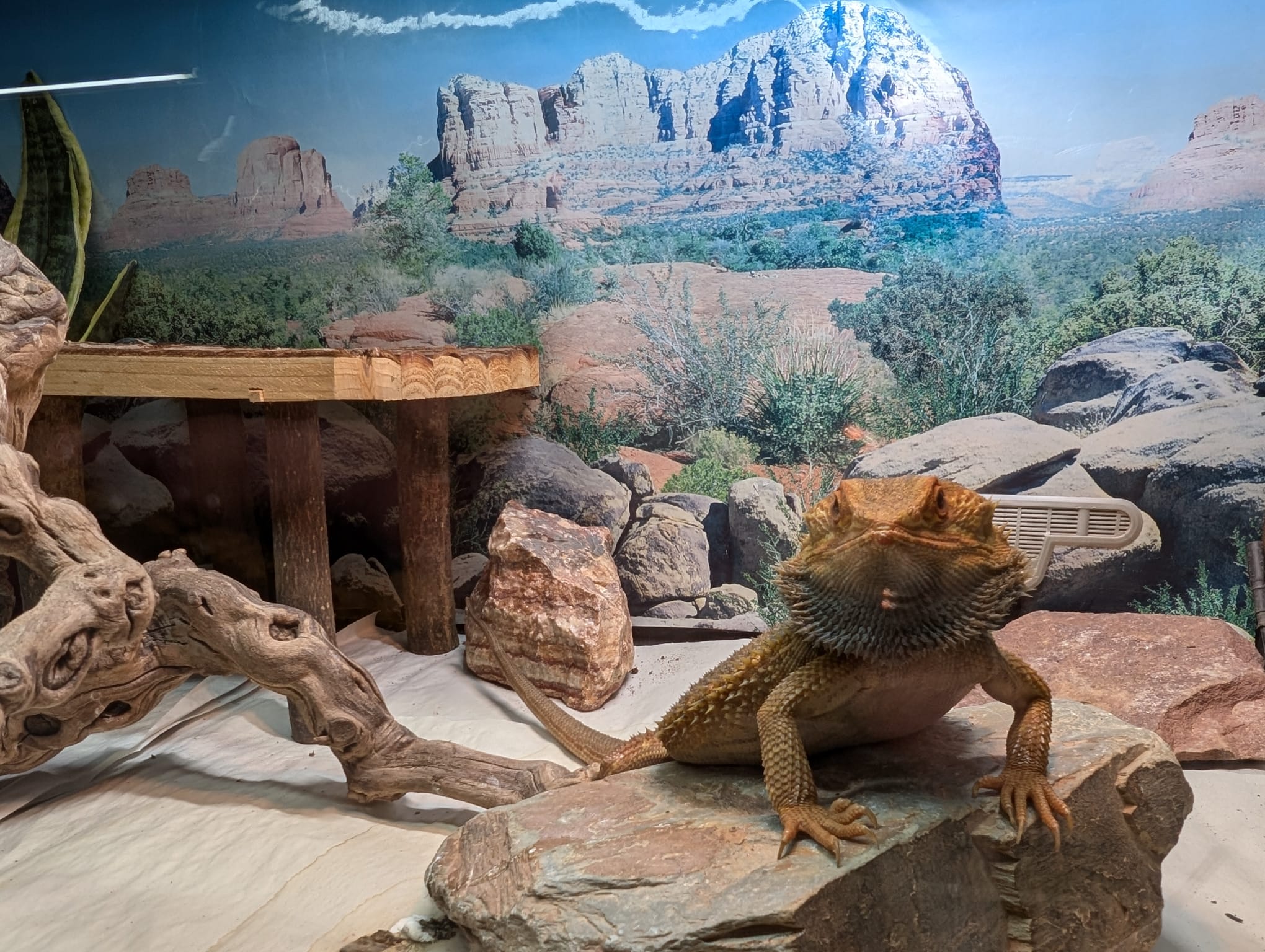
A well thought out setup, with animal welfare a priority, usually includes:
- A correctly sized enclosure
- Heating (such as a basking lamp or other heat source)
- UVB lighting (for many species)
- A thermostat to control temperature
- Substrate and décor (including hides, water bowls, artificial plants)
- Thermometers to keep everything in check
For most setups, you will be realistically looking to spend: £200–£600+ depending on the species
It can be tempting to cut corners here, but getting the setup right from the start makes a critical difference to your new reptiles health. Also, cost - although animal welfare is of utmost importance, a correct set-up saves you money in the long run.

What about ongoing costs?
Once everything is set up properly, reptiles are in general terms reasonably affordable to keep.
Electricity - Heating and lighting are the main running costs - Around £5–£20 per month per vivarium
Food - Depending on the species:
- Insects
- Fresh greens
- Frozen foods
Usually £5–£20 per month
Supplements - Most reptiles need calcium and occasional vitamins - Low cost, but important for keeping them healthy
Veterinary - Insurance plans are available to cover vet fees should your reptile become unwell. In comparison to cats and dogs these plans are quite well priced.
General upkeep - Substrate changes and general maintenance - around £5–£10 per month
Typical monthly total cost; Approximately £15–£40 per month
Do some reptiles cost more than others?
They do and it’s worth thinking about this before choosing a species.
🟩 Lower-cost reptiles
Leopard geckos and Corn snakes are great examples
- Smaller setups
- Lower electricity use
- Straightforward feeding
🟧 Moderate-cost reptiles
Bearded dragons and crested geckos
- Require UVB lighting
- Eat more
- Slightly more involved setups
🟥 Higher-cost reptiles
Tortoises and larger lizards
- Larger enclosures
- Higher heating needs
- Long-term commitment

⚠️ A few costs people don’t always think about
It’s worth planning ahead for:
- Replacing UVB bulbs (every 6–12 months)
- Occasional vet visits
- Upgrading enclosures as your reptile grows
- Nothing unexpected but all part of responsible care.
Can reptiles be kept cheaply?
Some reptiles are very affordable to keep once everything is set up but there’s no real shortcut when it comes to doing it properly.
Don’t cut corners, your pet reptile is worth more than that.
Final thoughts
Keeping a reptile is less about an ongoing expense and more about getting things right from the start. Its a key animal welfare need. If you’re unsure which species suits your budget or setup, feel free to pop in and have a chat we’re always happy to help you choose something that works for both you and the animal.