What should you feed a pet tortoise? (And what should you avoid?)
Most Mediterranean tortoises should eat a high-fibre, weed based diet, made up primarily of wild plants like dandelion, plantain, and sow thistle. You can safely support this by growing your own weeds from tortoise seed mixes, with shop-bought foods used as supplements not replacements.

Why weeds are the best food for tortoises
Species such as:
Testudo hermanni (Hermann’s tortoise)
Testudo graeca (Spur-thighed tortoise)
Testudo marginata (Marginated tortoise)
Testudo horsfieldii (Horsfield/Russian tortoise)
These species are natural grazers, adapted to eat tough, fibrous weeds.
A correct diet is:
- High in fibre
- Low in protein
- Low in sugar
- Calcium-rich
This supports:
- Healthy shell growth
- Proper digestion
- Long-term health
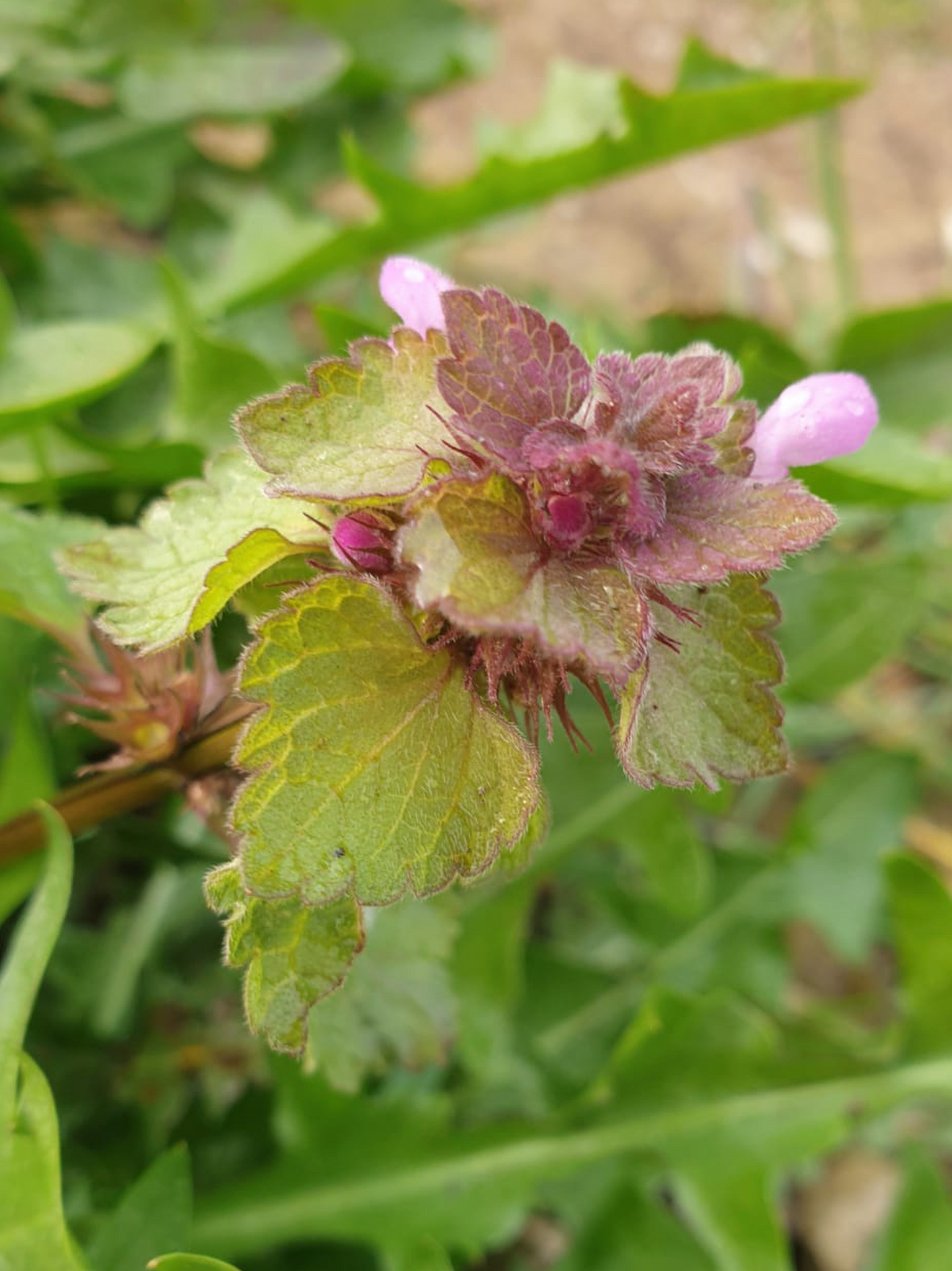
Safe wild weeds to feed tortoises
These should form the bulk of the diet:
Ribwort plantain, Dandelion, Sow thistle, White dead nettle, Purple dead nettle, Scotch thistle, Teasel, Hawkbit, Mallow, Shepherd’s purse, Clover.
Spiky weeds such as Scotch thistle should have their spines cut, or dice the leaves.
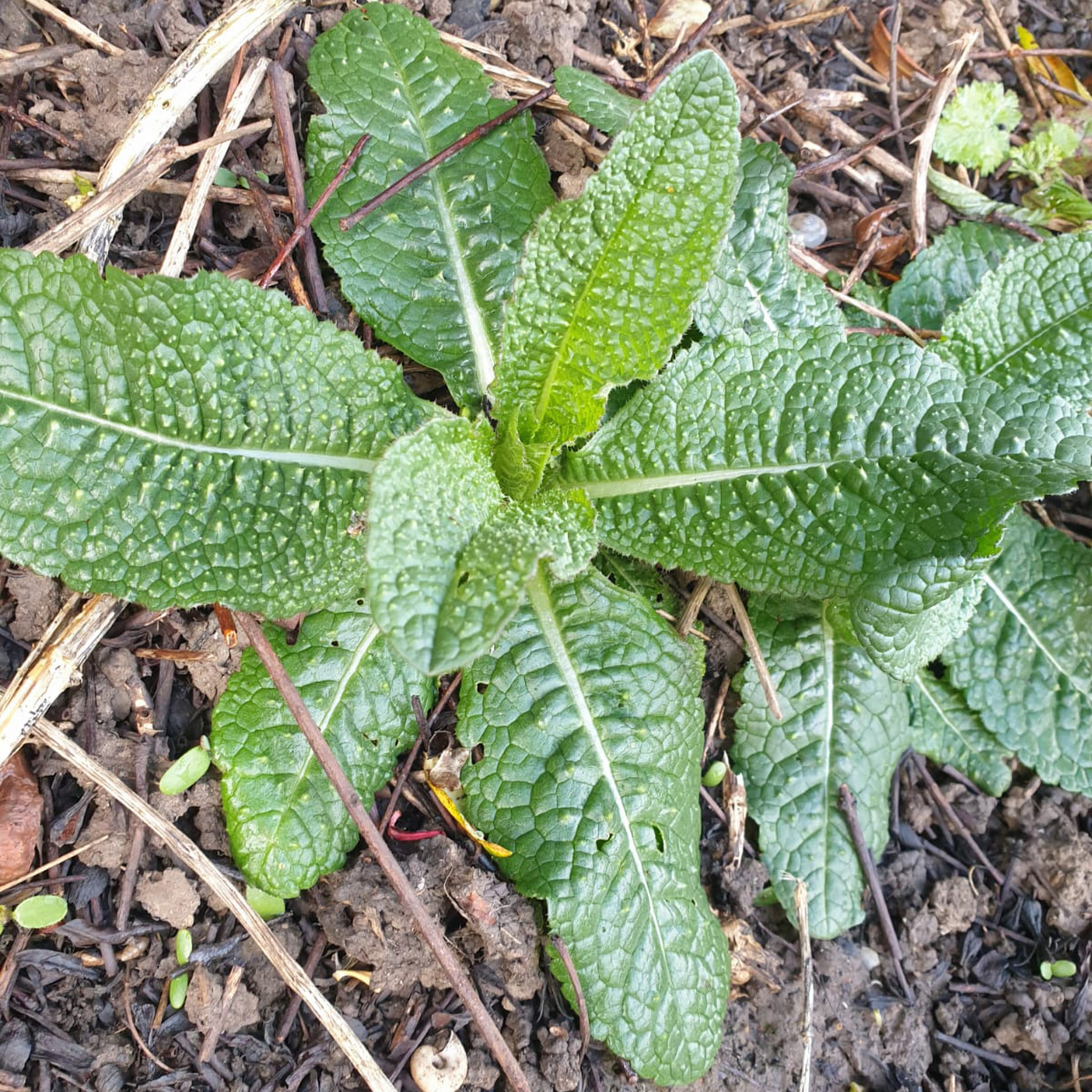
Growing Your Own Tortoise Food
One of the easiest and safest ways to feed correctly is to grow your own weed mix at home.
Why this works so well:
- Ensures pesticide-free food
- Provides natural grazing variety
- Removes the need to identify wild plants
- Supports a consistent, year-round diet
These mixes are designed to mimic natural grazing behaviour
How to use:
- Grow in trays (best) or garden patches
- Allow plants to establish before feeding
- Rotate areas if possible
What to look for in a seed mix:
Dandelion, Plantain, Thistles, Clover, Grasses and mixed wild grazing plants
Where to collect wild weeds safely

If collecting wild weeds:
Use:
Your own garden
Trusted untreated areas
Avoid:
Roadsides (pollution)
Public parks (chemical treatments)
Dog-walking areas
Preparing weeds
- Rinse thoroughly
- Shake dry
- Offer a varied mix daily
Variety is key never rely on one plant
Shop-bought feeding options
Opuntia (Prickly Pear)
- High in calcium
- Hydrating
- Excellent natural food

Microgreen Munch Mix - Adds variety
- Encourages feeding
- Intended as a topper, not primary diet
- Useful when weeds are limited

Always use as a supplement, not a replacement
What about other commercial diets?
Dried foods and pellets:
- Useful as backup
- Helpful in winter
But: Should not replace fresh weeds long-term
Supplements
- Light calcium dusting a few times per week
- Multivitamins once a week
- Avoid overuse
- Ensure UVB lighting is provided (more about lighting in a future blog in this series)
What about other tortoise species?
Red-foot (Chelonoidis carbonarius)
- Requires some fruit
- Higher humidity
Leopard (Stigmochelys pardalis)
- Strict grazer, dry grasses
- Very high fibre
Sulcata (Centrochelys sulcata)
- Heavy grazer
- Needs coarse grasses and weeds