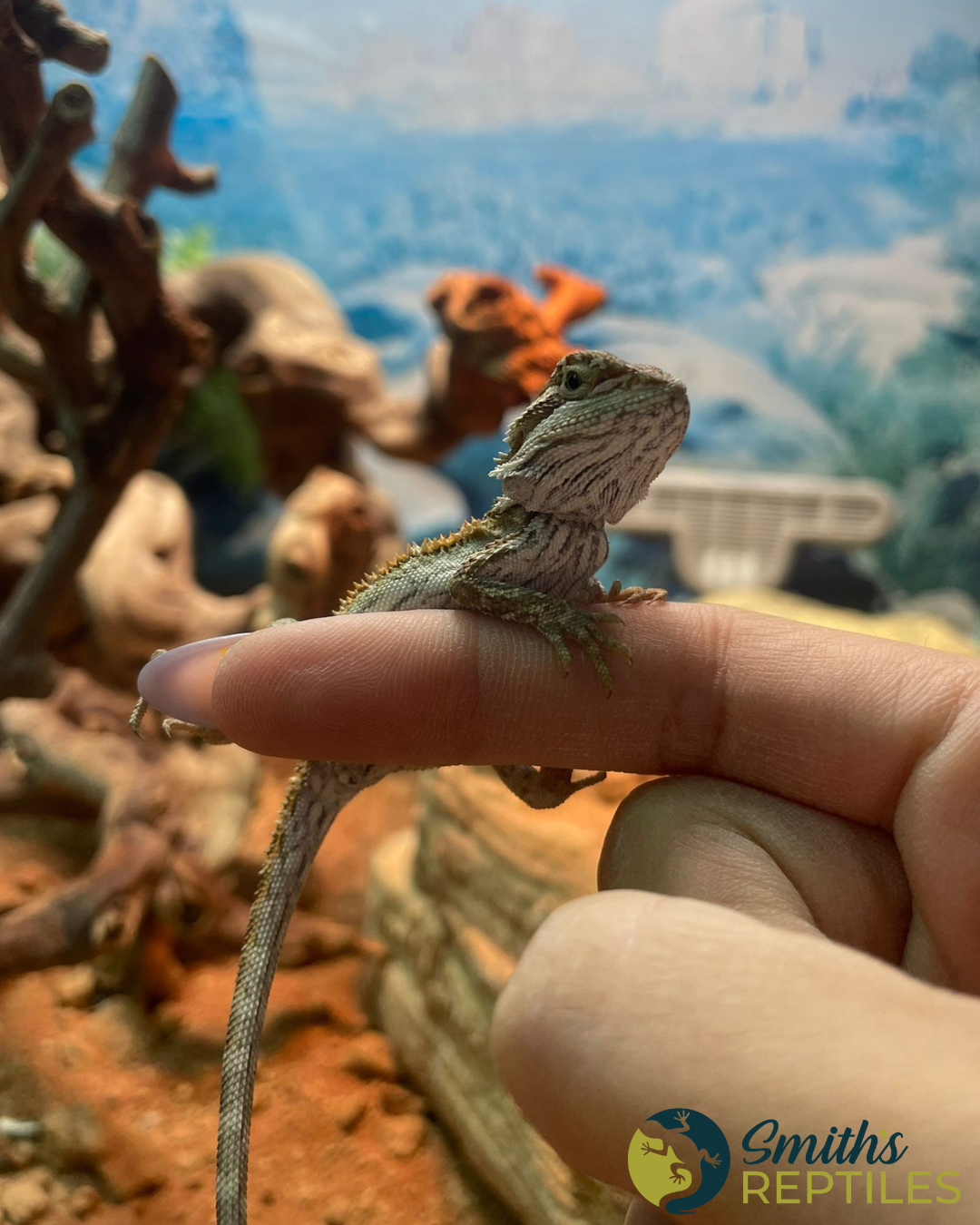
Bearded Dragon
Scientific Name: Pogona vitticeps
Origin: Arid regions of Australia
Adult Size: 45–60 cm (18–24 inches)
Lifespan: 10–15 years with proper care
Temperament: Docile, inquisitive and highly interactive
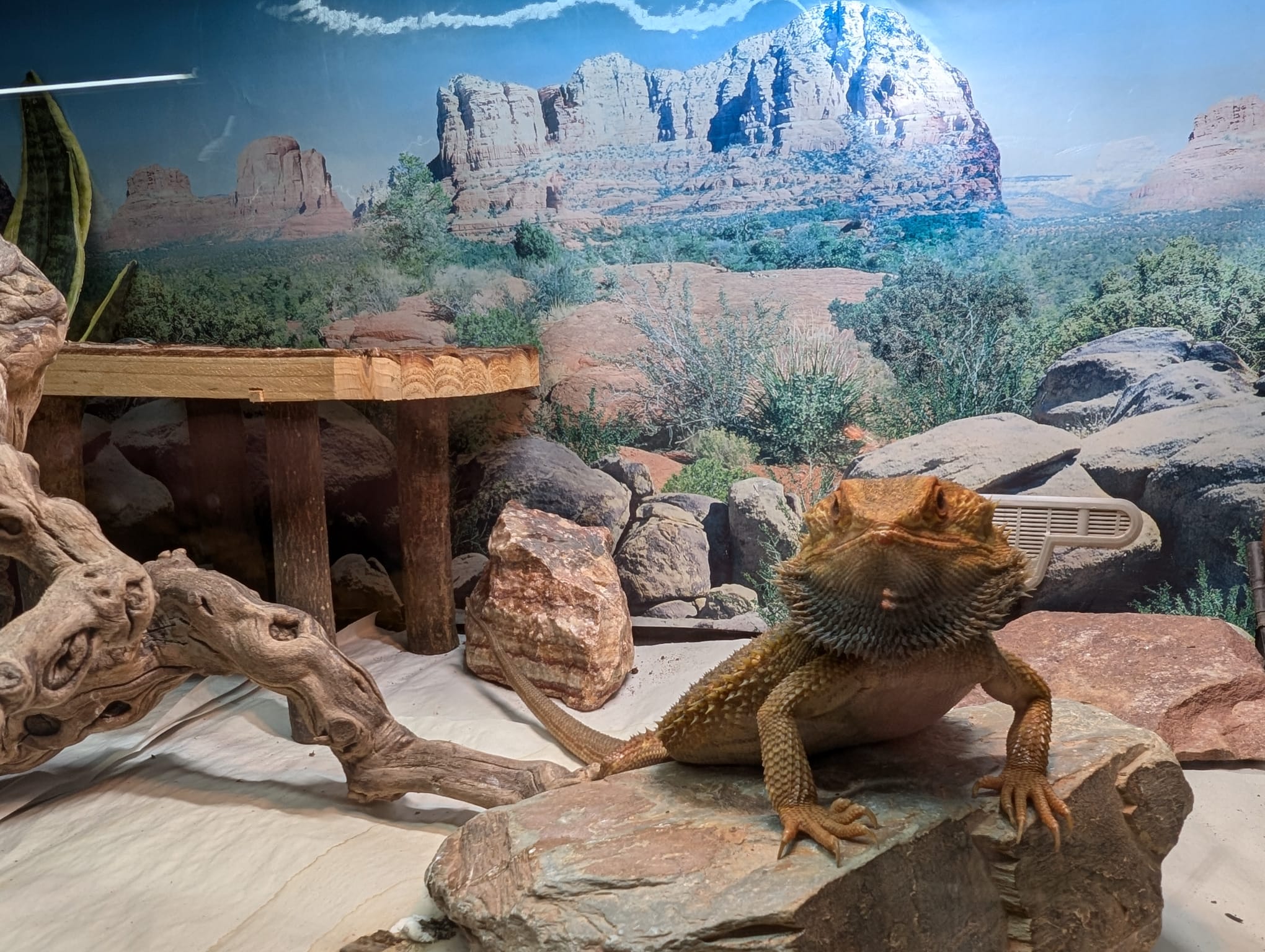
Bearded Dragons are one of the most popular reptile pets in the world and for good reason. Known for their calm temperament and expressive behaviour, they are often described as one of the most interactive reptiles you can keep. Many individuals quickly become comfortable around people and can recognise their keepers over time.
Natural Habitat & Behaviour
In the wild, Bearded Dragons live in the hot, dry regions of Australia. They spend much of their time basking on rocks, logs or branches to absorb heat from the sun.
They are diurnal, meaning they are active during the day, which makes them easy to observe and interact with as pets.
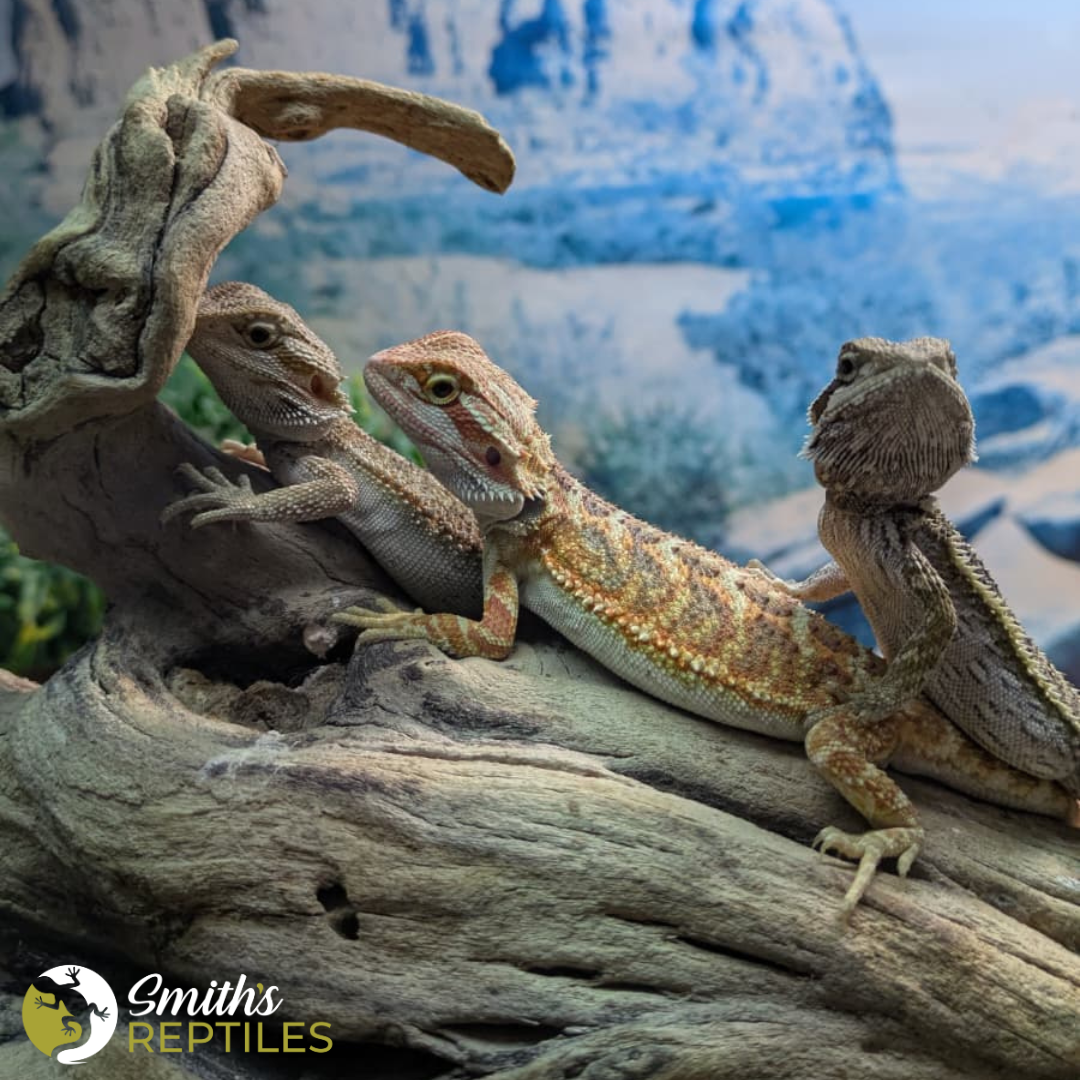
Bearded Dragons are also semi-arboreal and enjoy climbing, so branches, rocks and elevated basking spots help encourage natural behaviour in captivity.
Housing & Enclosure Requirements
Minimum enclosure size (adult):
120 × 60 × 60 cm (4 × 2 × 2 ft)
Key requirements:
-
UVB lighting for proper calcium absorption
-
Basking temperature: 38–42°C
-
Cool side: 24–28°C
-
Substrate: reptile-safe sand blends, tiles or specialist substrates
-
Décor: branches, rocks, basking areas and hides
A proper heat gradient allows the dragon to regulate its body temperature naturally.
Diet & Nutrition
Bearded Dragons are omnivores, eating both insects and plant matter. Their diet changes as they mature.
Juveniles: Mostly insects for growth.
Adults: Around 70–80% plant matter and 20–30% insects.
Typical foods include:
-
Locusts, crickets and dubia roaches
-
Leafy greens such as rocket, kale and collards
-
Vegetables like squash, peppers and carrots
Calcium and vitamin supplementation is essential to support healthy bones and development.
Temperament & Handling
Bearded Dragons are widely considered one of the most handleable reptile species.
With gentle, regular interaction they often become very relaxed around people and may happily sit on a keeper’s hand or shoulder.
As with all reptiles, handling should be calm and respectful, and new dragons should be given time to settle into their enclosure before frequent interaction.
Is a Bearded Dragon Right for You?
Bearded Dragons are rewarding reptiles but require proper care.
Prospective keepers should be prepared to:
-
Provide a large, well-equipped enclosure
-
Maintain correct lighting and temperatures
-
Offer a varied diet of insects and vegetables
-
Commit to long-term care (10–15 years)
With the right setup, a Bearded Dragon can become a fascinating and interactive reptile companion.