How do I safely wake my tortoise after hibernation?
Waking a tortoise after hibernation should be done gradually and methodically to support the safe restart of key bodily functions such as hydration, kidney activity, digestion, and immune response. The process involves a controlled increase in temperature, immediate weight assessment, consistent rehydration through soaking, and the reintroduction of proper heat, lighting, and feeding. When handled correctly, recovery is typically smooth; when rushed or poorly managed, complications can arise quickly.
Hibernating Species Covered
- Hermann's tortoise (Testudo hermanni)
- Spur-thighed tortoise (Testudo graeca)
- Marginated tortoise (Testudo marginata)
- Horsfield’s tortoise (Testudo horsfieldii)
Species That Should NOT Hibernate
- Leopard tortoise (Stigmochelys pardalis)
- Sulcata tortoise (Centrochelys sulcata)
These species require stable, warm conditions year-round and should not be subjected to hibernation.
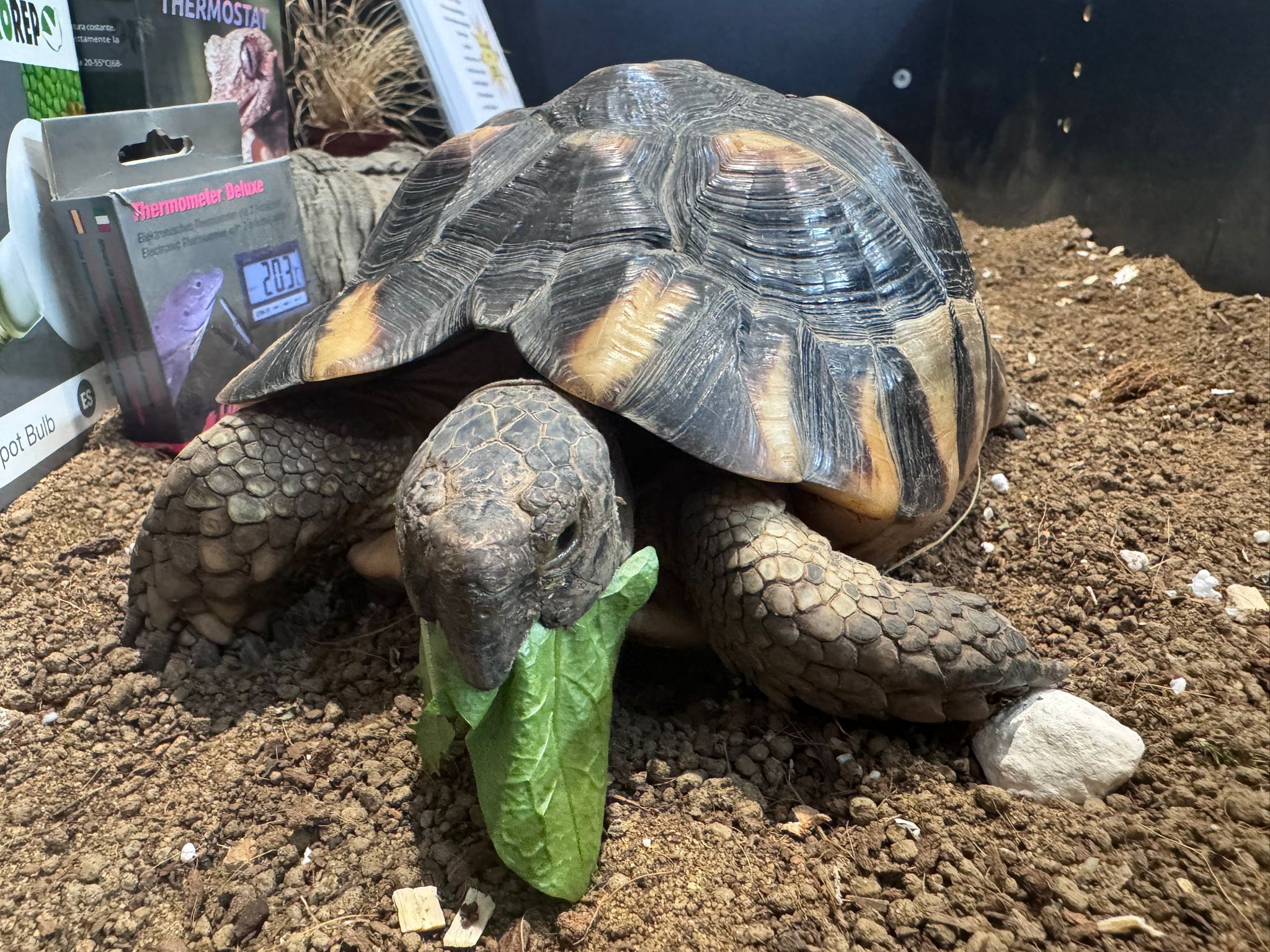
Why Waking Up Matters
During hibernation (brumation):
- Metabolism slows significantly
- Feeding stops
- Fat reserves are used
Upon waking, the body must restart:
-
- Kidney function
- Hydration balance
- Digestion
- Immune response
This transition period is critical and must be managed carefully.
Step 1: Controlled, Gradual Warm-Up
A staged temperature increase reduces physiological stress and supports organ recovery.
Suggested progression:
- ~12°C for 24 hours
- ~15°C for 12–24 hours
- ~18–20°C for 12–24 hours
- Then return to full enclosure conditions
Step 2: Weight Check & Jackson Ratio
Basic Weight Check
- Weigh immediately after waking
- Compare to pre-hibernation weight
- More than 8–10% weight loss is a concern
Jackson Ratio (Quick Guide – Use with Care)
The Jackson Ratio is a weight-to-size guide used to help assess whether a tortoise is a suitable weight for hibernation. But it can be a useful tool at all times of the year. It compares weight (grams) to straight shell length (cm).
👉 Important:
This method is only suitable for:
Hermann’s tortoises (Testudo hermanni)
Spur-thighed tortoises (Testudo graeca)
Do not use for other species.

👉 Understanding the result:
Below 0.19 = Underweight
0.19 – 0.22 = Healthy
0.23 and above = over weight - seek advice
Key reminder:
The Jackson Ratio is a guide only, not a decision-maker.
Always consider feeding history, growth, and overall health and refer to a reptile vet if unsure.
Step 3: Rehydration (Critical)
All tortoises will be dehydrated to some degree after hibernation.
Soaking Protocol
- Water temperature: 25–30°C
- Depth: just below chin
- Duration: 20–30 minutes
- Frequency: daily for 5–7 days
Drinking during soaking is a positive indicator of recovery.
Electrolyte Support
- Can be used occasionally for:
- Mild dehydration
- Sluggish recovery
- Must be reptile-safe and diluted
Electrolytes are supportive only and not a replacement for proper hydration.
Step 4: Heat, Light & UVB
Once fully warmed:
- Basking temperature: 30–35°C
- Ambient temperature: mid-20s°C
- Provide strong UVB lighting
These are essential for:
- Calcium metabolism
- Immune system recovery
Step 5: Feeding
- Most tortoises resume eating within 3–7 days
- Hydration and warmth must be established first
- Appetite typically follows physiological recovery

Species-Specific Notes
Hermann's tortoise
- Generally hardy
- Typically resumes feeding quickly
Spur-thighed tortoise
- Recovery varies by origin
- Monitor closely for respiratory issues
Marginated tortoise
- Consistent and steady recovery
Horsfield’s tortoise
- Naturally experiences extreme seasonal changes
- Undergoes deep hibernation
- Also capable of aestivation (summer dormancy)
Key considerations:
- Often slower to wake and feed
- Requires patience
- Avoid excessive heat, which may trigger stress or aestivation responses
When to Seek Veterinary Help
- Not eating after 7–10 days
- Continued weight loss
- Lethargy
- Sunken eyes
- Respiratory symptoms
Common Mistakes to Avoid
- No weight tracking
- Warming too quickly
- Skipping soaking
- Expecting immediate feeding
- Treating all species identically
What Comes Next?
Once stable, focus shifts to:
- Diet
- Natural grazing
Next stage: wild flowers, weeds, and appropriate feeding strategies.
Final Thought
Hibernation is a natural and beneficial process for many tortoise species. When omitted or replaced with constant indoor warmth, it can contribute to long-term health issues and reduced lifespan. Proper preparation, monitoring, and careful waking are key to ensuring hibernation remains safe and effective.