Hi everyone, Kev here. And Happy Easter! I thought I’d share a few interesting facts about reptile and amphibian eggs and how they really work...
When most people think of Easter eggs, they picture something chocolatey, or maybe a neat little bird’s egg in a nest. But in the world of reptiles and amphibians, eggs are a completely different story.
They’re not always hard. They’re not always white. And they’re definitely not always laid in tidy nests!
In fact, these eggs come in all sorts of forms from soft, leathery shells to foam nests, and even eggs that can hatch early if danger’s nearby. It’s all part of how these animals survive and adapt and if you keep them at home, it’s something well worth understanding

🦎 Not all eggs are hard (or made of chocolate)
A lot of reptiles, including Leopard Geckos, lay soft, leathery eggs rather than the brittle shells you might expect. These eggs are designed to absorb moisture from their environment, which is why they’re usually buried in slightly damp substrate.
From experience, this is where many people come unstuck with breeding. Get the humidity wrong, and things can go downhill quickly: too dry, and the eggs collapse, too wet, and you’re dealing with mould or rot.
That’s why we always recommend using proper incubation substrates, such as vermiculite or perlite. It takes the guesswork out and helps keep conditions stable
_Twins.jpg "OLYMPUS DIGITAL CAMERA")
🐍 Twins? Rare, but it happens
Now and then, you’ll hear of reptiles producing double-yolk eggs.
It sounds exciting, but in reality, true twins are extremely rare, and survival rates are low. It’s more of a curiosity than something you’d expect to see regularly.
For breeders, this is where candling comes in, checking egg development carefully throughout incubation to make sure everything is progressing as it should.

🦎 Eggs that stick
If you keep arboreal geckos like Crested Geckos, you might come across eggs stuck to the side of the vivarium or tucked onto décor.
They can lightly adhere their eggs to surfaces, which helps keep them hidden and secure.
If you do spot them, it’s best not to try and remove them. There’s a real risk of damaging the egg. Most keepers either leave them where they are or place a small protective cover over them especially if there are adult animals in the enclosure.

🐸 Eggs that can “escape early”
Some frog species have a brilliant survival trick if their eggs are disturbed, the embryos can hatch early to escape potential danger.
The Red-Eyed Tree Frog is a great example, with embryos capable of hatching days ahead of schedule if threatened.
You’re unlikely to see this in captivity, but it’s a good reminder that factors like stress, vibration, and general environment do matter more than people often think.
.

_Moorea.jpg "Green_sea_turtle_(Chelonia_mydas)_Moorea")
🐢 Temperature can decide the babies
Here’s something a lot of people don’t realise temperature can determine the sex of hatchlings in some species, like Green Sea Turtles.
Generally speaking (though not always), warmer temperatures tend to produce females, while cooler temperatures produce males.
Even if you’re not breeding turtles, it highlights just how important temperature control is across the board. When you’re incubating eggs, small changes can have big impacts.
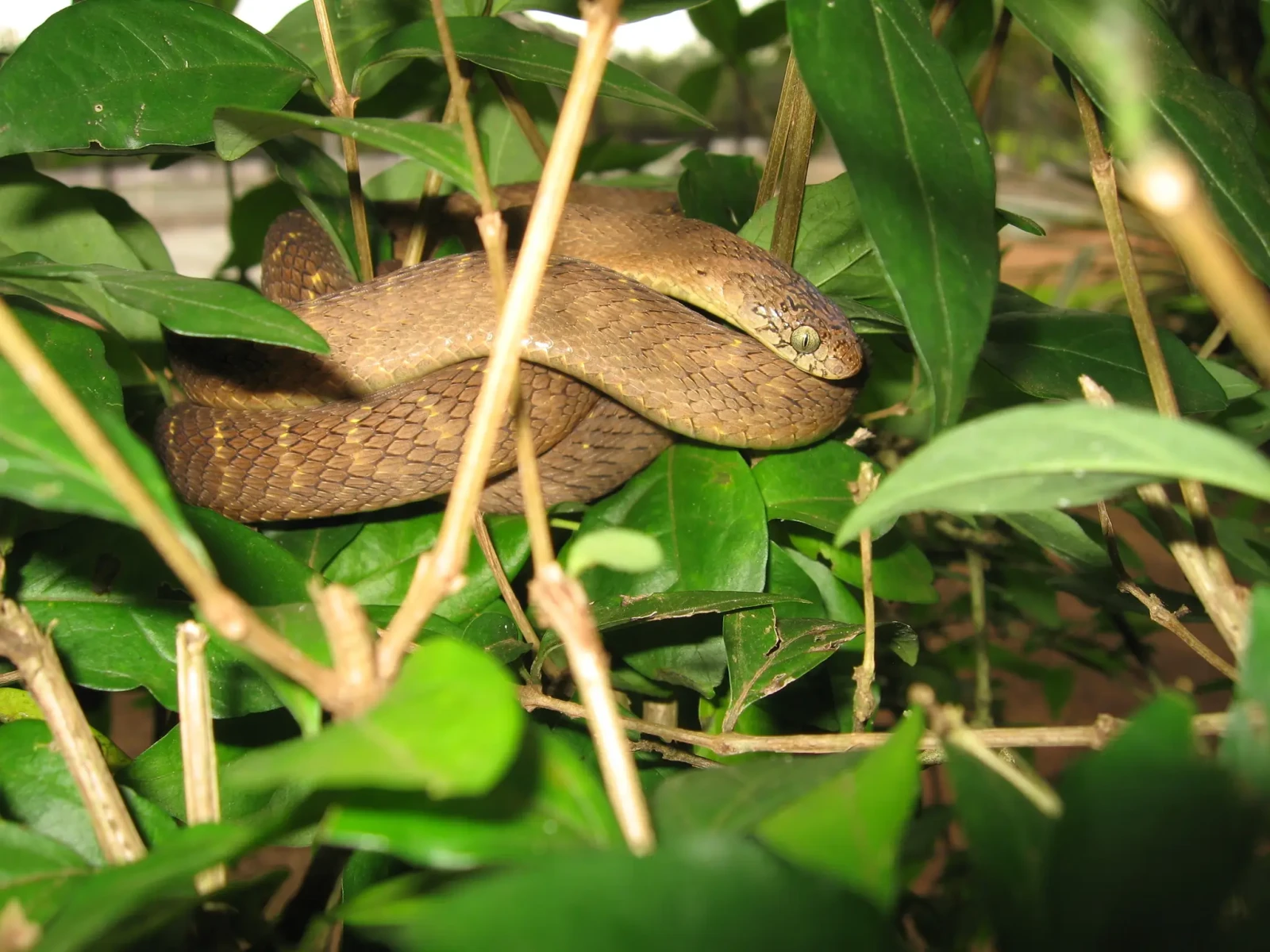
🐍 Nature’s ultimate egg specialist
Then you’ve got species like the African Egg-eating Snake, which has taken things to the extreme by feeding exclusively on eggs.
They even have specialised structures in their spine to crack eggs internally; no chewing required.
It’s fascinating, but also a good example of why understanding species-specific diets is so important. These snakes are highly specialised and not something I’d recommend for beginners.

🐸 Foam = protection
Some frogs take a completely different approach and create foam nests for their eggs. It might look unusual, but it’s incredibly effective keeping eggs moist and protected from predators.
When the rain comes, the tadpoles simply drop into the water below.
In captivity, you won’t always see this behaviour unless conditions are just right. Good humidity, plenty of cover, and a well-designed enclosure with live plants can make all the difference.

🐍 Mums that hug their eggs
One of the more fascinating behaviours I’ve seen over the years is how some pythons care for their eggs. The female will coil around them and actually generate heat through small muscle contractions essentially acting as a living incubator.
Interestingly, I once saw similar behaviour in a Taiwan Beauty Snake, which isn’t typically known for it. She was incredibly protective something that really sticks with you when you see it in person.
In most captive setups, we rely on incubators and thermostats instead. It’s simply more consistent and removes the risk of temperature fluctuations, though some experienced breeders still opt for natural brooding
🦎 Not all reptiles lay eggs
Of course, not every reptile lays eggs at all. Some species give birth to live young, with the eggs developing internally.
From a care point of view, it doesn’t make things any less important temperature, lighting, and overall husbandry still need to be spot on to keep both parent and offspring healthy.
🐾 What this means for you as a keeper
If you keep reptiles or amphibians, egg development isn’t just an interesting topic it’s something that can directly affect your animals.
Many species will breed in captivity, sometimes when you’re not even planning for it.
Getting the basics right (temperature, humidity, enclosure setup, and nutrition) makes a huge difference. And if you’re ever unsure, it’s always worth asking. A bit of guidance early on can save a lot of problems later.
Easter might be all about chocolate eggs for us, but in the reptile and amphibian world, eggs are about survival, timing, and getting conditions just right.
Thanks for reading, and enjoy the rest of your Easter
Kev