When the UK suddenly jumps from grey skies to 28°C in a couple of days, one of the most common questions we get asked is:
“Will my reptile be okay in this weather?”
The short answer is, they can be, but hot weather can become dangerous very quickly if temperatures inside the enclosure are not monitored properly.
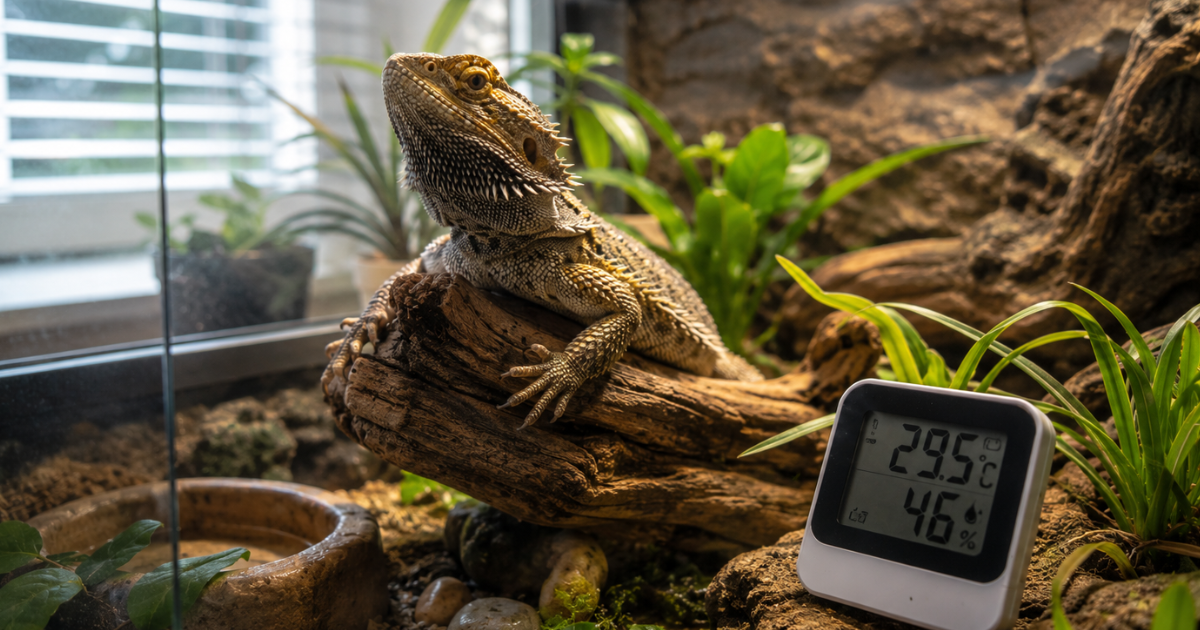
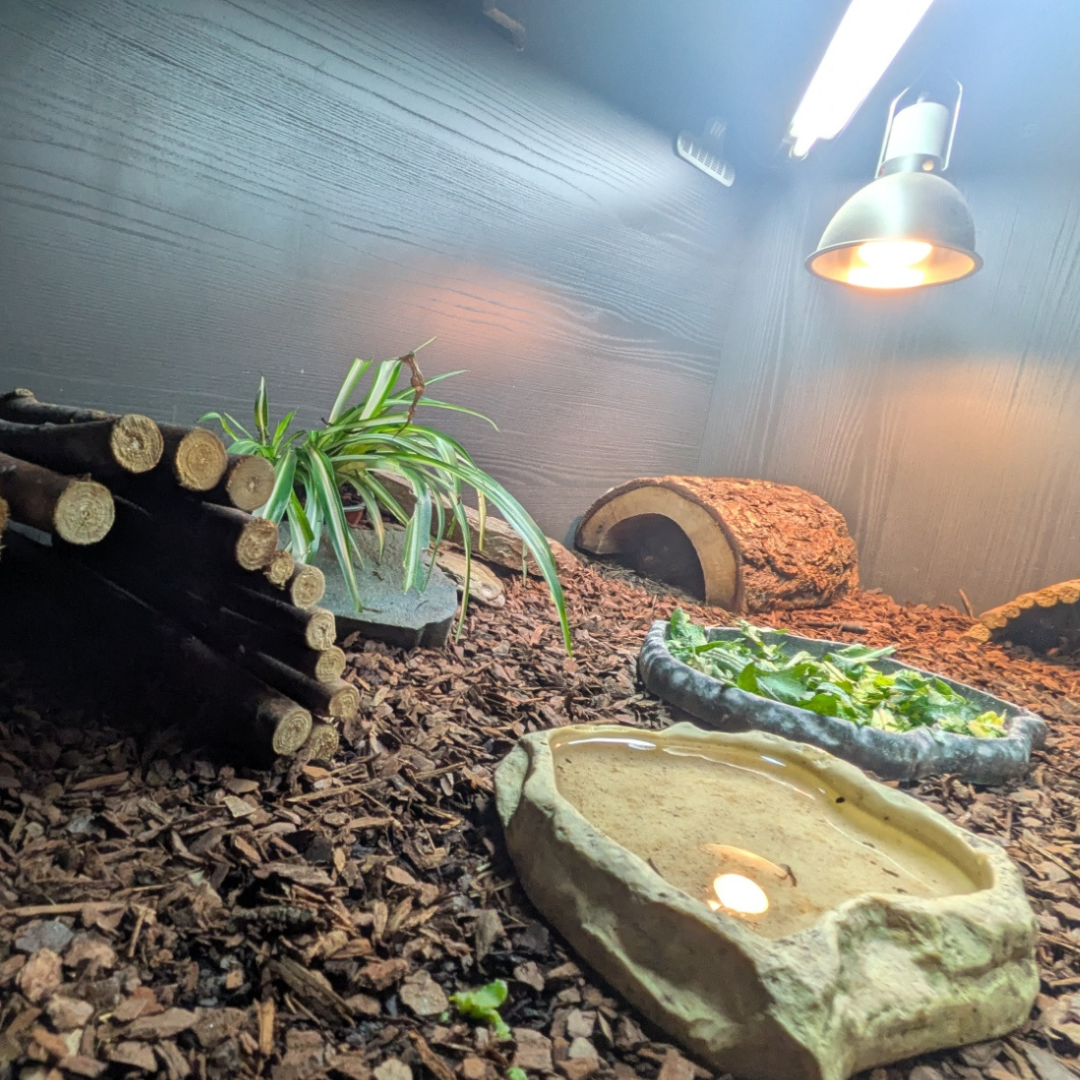
How do I create a heat gradient in a vivarium?
Create a heat gradient by placing a heat source at one end of the enclosure, allowing the opposite end to remain cooler. This gives your reptile a choice, moving between warmer and cooler areas to regulate its body temperature naturally.
What size enclosure does my reptile need?
The correct enclosure size depends on the species, but as a rule, your reptile should have enough space to fully stretch out, move naturally, and access a proper temperature gradient. Larger, well-structured enclosures almost always lead to healthier, more active animals.
Sir David Attenborough at 100
Sir David Attenborough at 100 Why he means so...
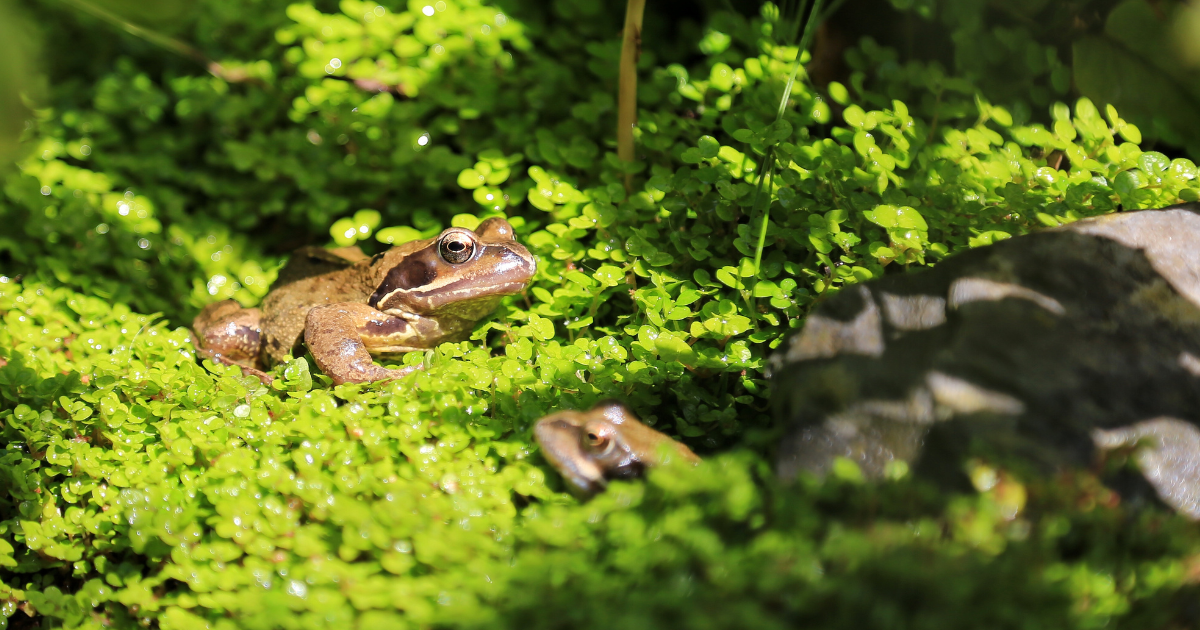
National Amphibian Week
It’s National Amphibian Week – why should you...
Do reptiles need UVB lighting?
Do reptiles need UVB lighting? Yes, most...
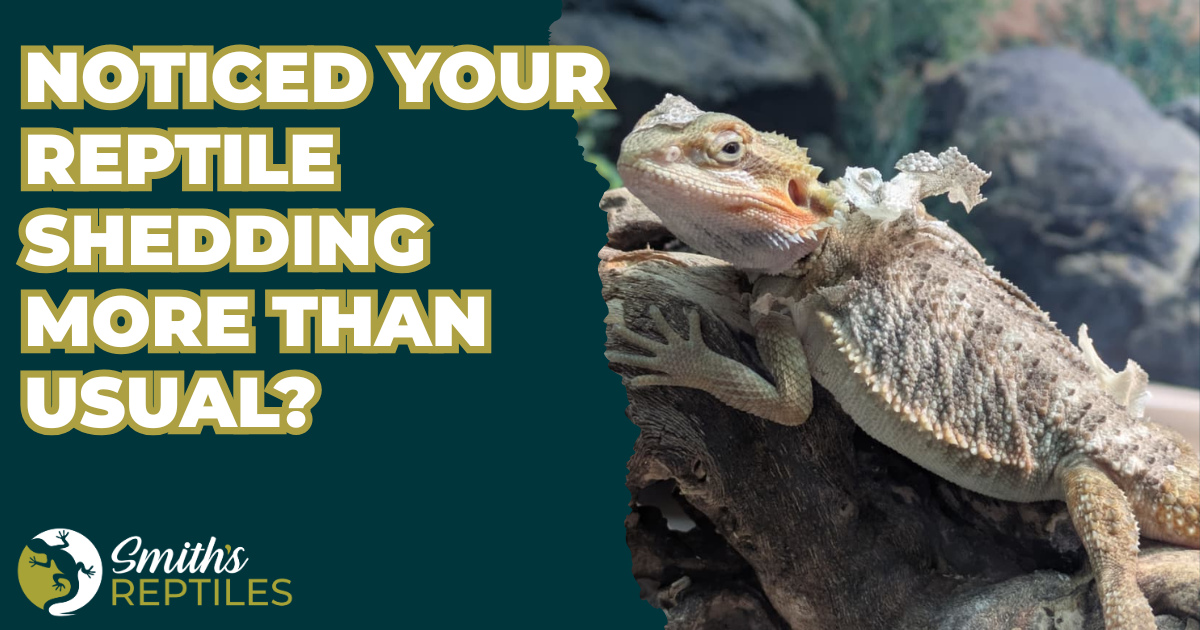
Why is my reptile shedding its skin more often in spring?
Why is my reptile shedding its skin more often...
Beyond Chocolate: The World of Reptile Eggs
Reptile and amphibian eggs are far more diverse than most people realise. From soft, leathery shells to foam nests and even eggs that can hatch early to escape danger, each one is uniquely adapted for survival.
How do I safely wake my tortoise after hibernation?
How do I safely wake my tortoise after...
Meet Kevin Stevens – Strengthening Our Reptile & Exotic Expertise
Meet Kevin Stevens – Strengthening Our Reptile...