How do I create a heat gradient in a vivarium?
Create a heat gradient by placing a heat source at one end of the enclosure, allowing the opposite end to remain cooler. This gives your reptile a choice, moving between warmer and cooler areas to regulate its body temperature naturally.

Why is a heat gradient important?
Reptiles don’t produce their own body heat like mammals. Instead, they rely on their environment.
In the wild:
- They move between sun and shade
- They warm up, then cool down
- They regulate temperature through behaviour
A heat gradient recreates this natural process in captivity
Without it, reptiles can:
- Overheat
- Struggle to digest food
- Become stressed or inactive
Not all heat is from above (belly heat matters too)
While many reptiles bask under the sun or overhead heat in vivaria, others regulate temperature differently.
Some species:
- Sit on warm ground, rocks, or surfaces
- Absorb heat through their belly (conduction)
- Use retained heat from surfaces even when not directly basking
This is especially relevant for:
Many Colubrid snakes, nocturnal or crepuscular snakes and lizards
Key point:
Good setups often provide both:
Radiant heat (from above)
Conductive heat (from below or surfaces)
Are heat mats still used in modern vivaria?
Heat mats are still used - but their role has changed.
Useful for:
- Providing gentle background or belly heat
- Supporting nocturnal species
- Smaller enclosures or rack systems
Limitations:
- Do not create a full gradient on their own
- Provide no light or natural basking cue
- Can lead to unnatural behaviour if over-relied upon
Best practice:
Latest thinking suggests using heat mats as a supporting heat source, not the primary one (in most setups).
Always control with a thermostat
The basic setup (simple and effective)
To create a gradient:
- Place a heat source at one end of the vivarium
- Leave the other end cooler
- Ensure there is space to move between both areas
This creates:
- Warm end (basking zone)
- Cool end (resting zone)

Choosing the right heat source
Common options include:
- Halogen or incandescent basking lamps (ideal for most species)
- Ceramic heat emitters (ambient or night-time heat)
- Heat mats (secondary/supporting use)
Overhead heat sources are usually the most natural and effective
Positioning the heat correctly
- Place the heat lamp at one end, not in the centre
- Create a defined basking spot
- Keep heat sources secure and guarded
You’re creating a gradient, not heating everything evenly

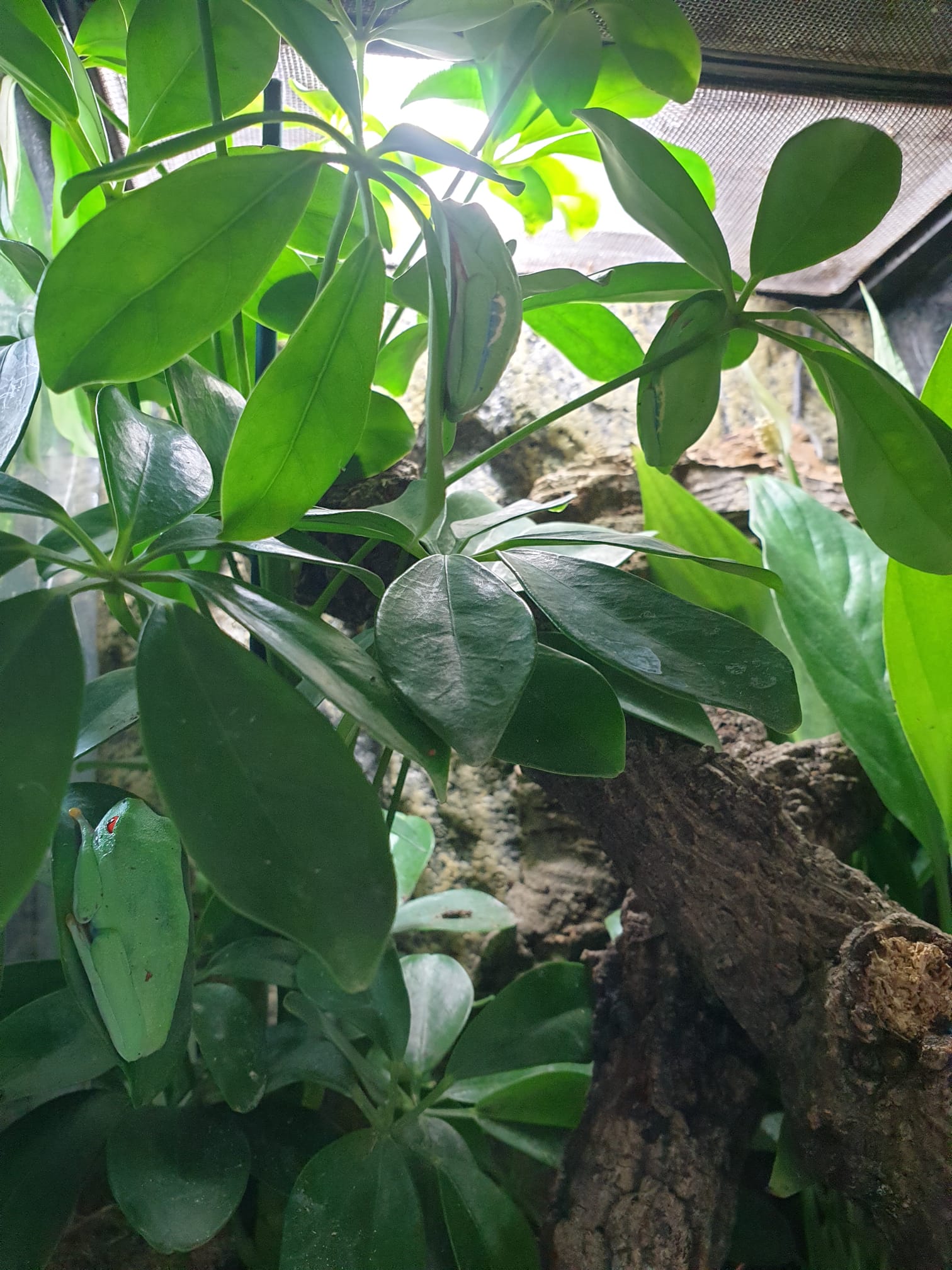
Creating gradients with structure (especially arboreal setups)
Heat gradients aren’t just horizontal, they can be vertical too.
In taller enclosures:
- Place heat and light towards the top
- Use branches, vines, and ledges at different heights
Allow access to:
- Warmer, brighter upper areas
- Cooler, shaded lower areas
This creates a 3D gradient, not just hot vs cool
Arboreal reptiles will:
- Move up to warm up
- Move down to cool off
- Use structure to fine-tune their temperature
Controlling temperatures safely
Always use:
- A thermostat (dimming for basking lamps)
- A digital thermometer or infrared temp gun
A heat gradient is about choice and control
Common mistakes to avoid
- Heating the whole enclosure evenly
- Placing heat in the centre
- Not providing a cool zone
- Relying only on heat mats
- Not measuring temperatures properly
What temperature should my basking spot be?
It depends on the species, but basking areas are always the warmest part of the enclosure. Use your reptile’s natural habitat as a guide and fine-tune with a thermometer.
How big should the temperature difference be?
There should be a clear difference between the warm and cool ends. Your reptile should be able to easily choose between noticeably warmer and cooler areas.
Can I use a heat mat on its own?
In many setups, no. Heat mats don’t create a full gradient or natural basking behaviour. They are best used as a secondary heat source where appropriate. Many keepers do use them for species that seek belly heat, such as Leopard geckos. Other keepers use an overhead heat source to warm a flat surface.
How do I know if my gradient is working?
Watch your reptile. If it regularly moves between areas, basks, and rests comfortably, your setup is likely working. Constant hiding or avoiding heat can indicate a problem.
Should I turn heat off at night?
Many species benefit from a natural drop in temperature at night. Some may need gentle background heat, depending on their environment.