Poison Dart Frog
Scientific Name: Family Dendrobatidae
Common Name: Poison Dart Frog (Dart Frog)
Origin: Central and South America
Adult Size: 2–6 cm (1–2.5 inches), depending on species
Lifespan: 10–20 years
Temperament: Active, curious, and best suited as a display species
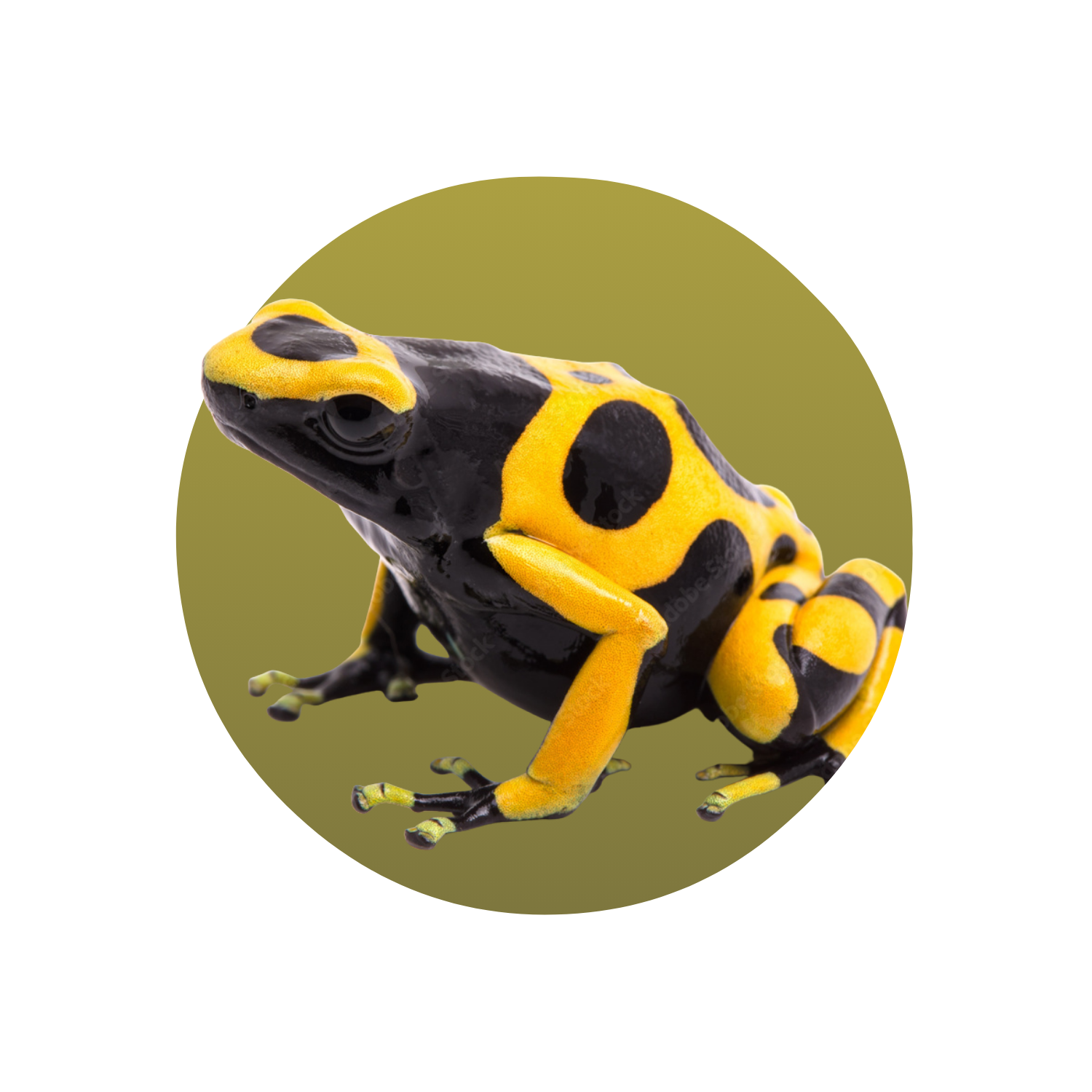
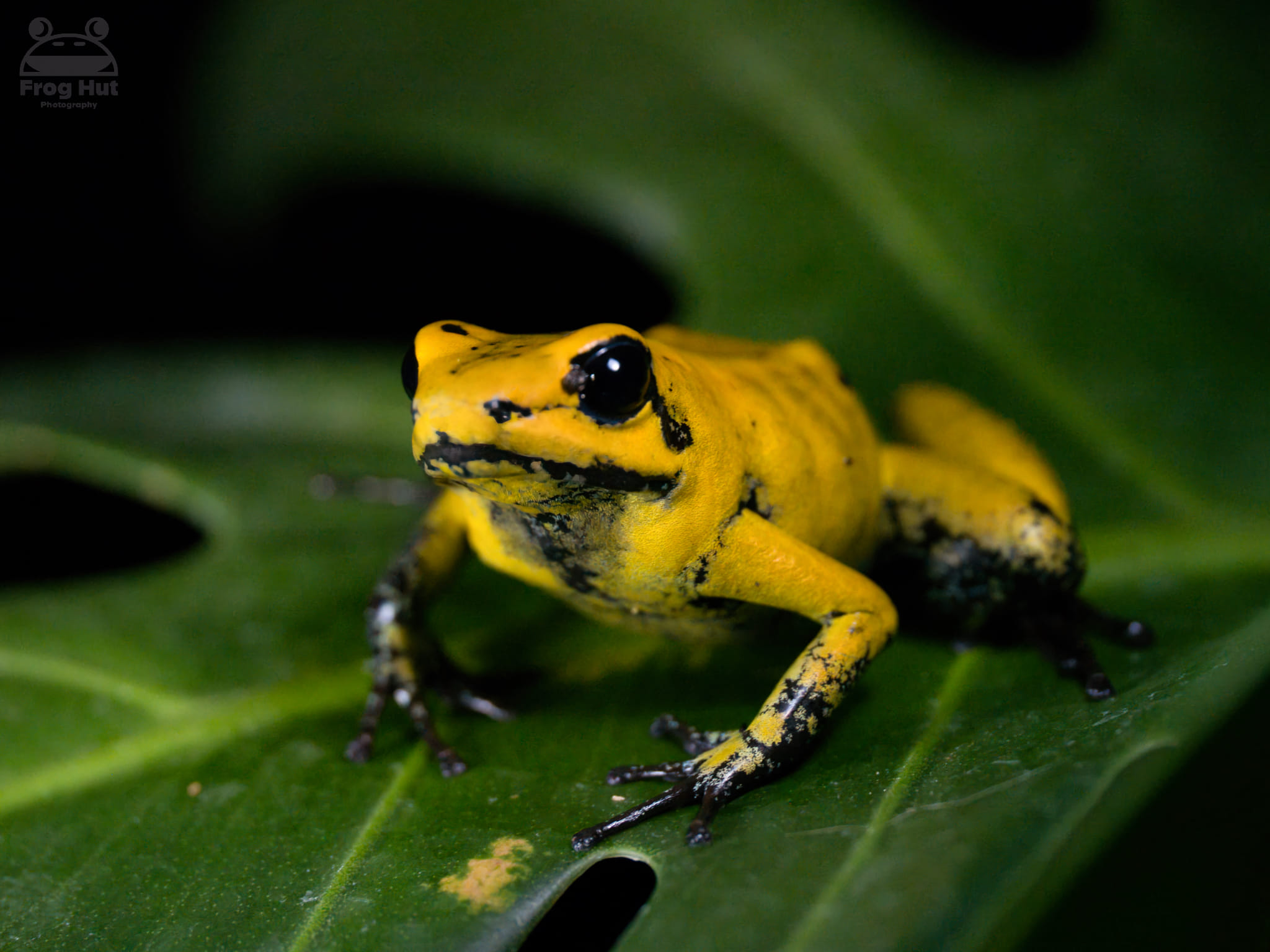
Poison Dart Frogs are among the most colourful and captivating amphibians in the world. Native to the tropical rainforests of Central and South America, these small frogs are renowned for their vibrant colours, fascinating behaviours, and active daytime lifestyles.
In the wild, their bright colours serve as a warning to predators. However, captive-bred Poison Dart Frogs kept in the reptile hobby are harmless and have become increasingly popular among amphibian enthusiasts.
With a huge variety of species and colour morphs available, Poison Dart Frogs make stunning additions to naturalistic and bioactive vivariums.
Housing & Enclosure Requirements
Poison Dart Frogs thrive in warm, humid tropical environments with plenty of plants, cover, and natural features.
Minimum enclosure size (pair or small group):
45 × 45 × 45 cm (18 × 18 × 18 inches)
Larger groups and species may require larger enclosures.
Key enclosure elements:
- Well-planted tropical vivarium
- Live plants and mosses
- Leaf litter and natural ground cover
- Cork bark and hiding places
- Temperatures between 22–27°C
- Humidity maintained between 70–100%
- Good ventilation
- Regular misting
Bioactive enclosures are highly recommended, helping to maintain humidity while creating a beautiful, natural environment for the frogs.
Diet & Nutrition
Poison Dart Frogs are insectivores and feed on a variety of small live prey.
Common food items include:
- Fruit flies
- Springtails
- Bean beetles
- Pinhead crickets
- Other suitably sized invertebrates
Food should be supplemented regularly with calcium and vitamins to support healthy growth, development, and breeding.
Fresh water should always be available through regular misting and suitable enclosure design.
Temperament & Handling
Poison Dart Frogs are active and fascinating to observe but are not pets that should be handled regularly.
They are:
- Diurnal (active during the day)
- Curious and constantly exploring
- Peaceful and generally non-aggressive
- Best enjoyed as display animals
Because amphibians have delicate, permeable skin, handling should be kept to an absolute minimum.
Most keepers find watching their frogs forage, interact, and explore far more rewarding than handling them.
Appearance & Colouration
One of the biggest attractions of Poison Dart Frogs is the incredible variety of colours and patterns available.
Depending on the species, they may display:
- Bright blues
- Vivid yellows
- Deep reds
- Brilliant oranges
- Greens and blacks
- Stripes, spots, bands, or intricate patterns
Many species and locality variations are available, making dart frogs one of the most diverse groups of amphibians in the hobby.
Behaviour & Activity
Unlike many amphibians, Poison Dart Frogs are typically active throughout the day.
Natural behaviours include:
- Exploring plants and leaf litter
- Hunting small insects
- Calling and communicating
- Establishing territories
- Interacting with other frogs
Their daytime activity means there is always something happening within a well-established dart frog vivarium.
Is a Poison Dart Frog Right for You?
Poison Dart Frogs are an excellent choice for keepers interested in tropical amphibians and stunning naturalistic displays.
Prospective keepers should be prepared to:
- Maintain high humidity levels
- Provide a planted tropical vivarium
- Feed small live insects regularly
- Minimise handling
- Commit to long-term care of 10–20 years
With their incredible colours, active personalities, and fascinating behaviours, Poison Dart Frogs are among the most rewarding amphibians to keep. Whether you're creating your first bioactive vivarium or expanding an established collection, these remarkable frogs bring colour, activity, and life to any tropical setup.