Giant African Millipede
Scientific Name: Archispirostreptus gigas
Common Name: Giant African Millipede
Origin: East Africa
Adult Size: 20–30 cm (8–12 inches)
Lifespan: 7–10 years
Temperament: Docile, slow-moving, and easy to care for
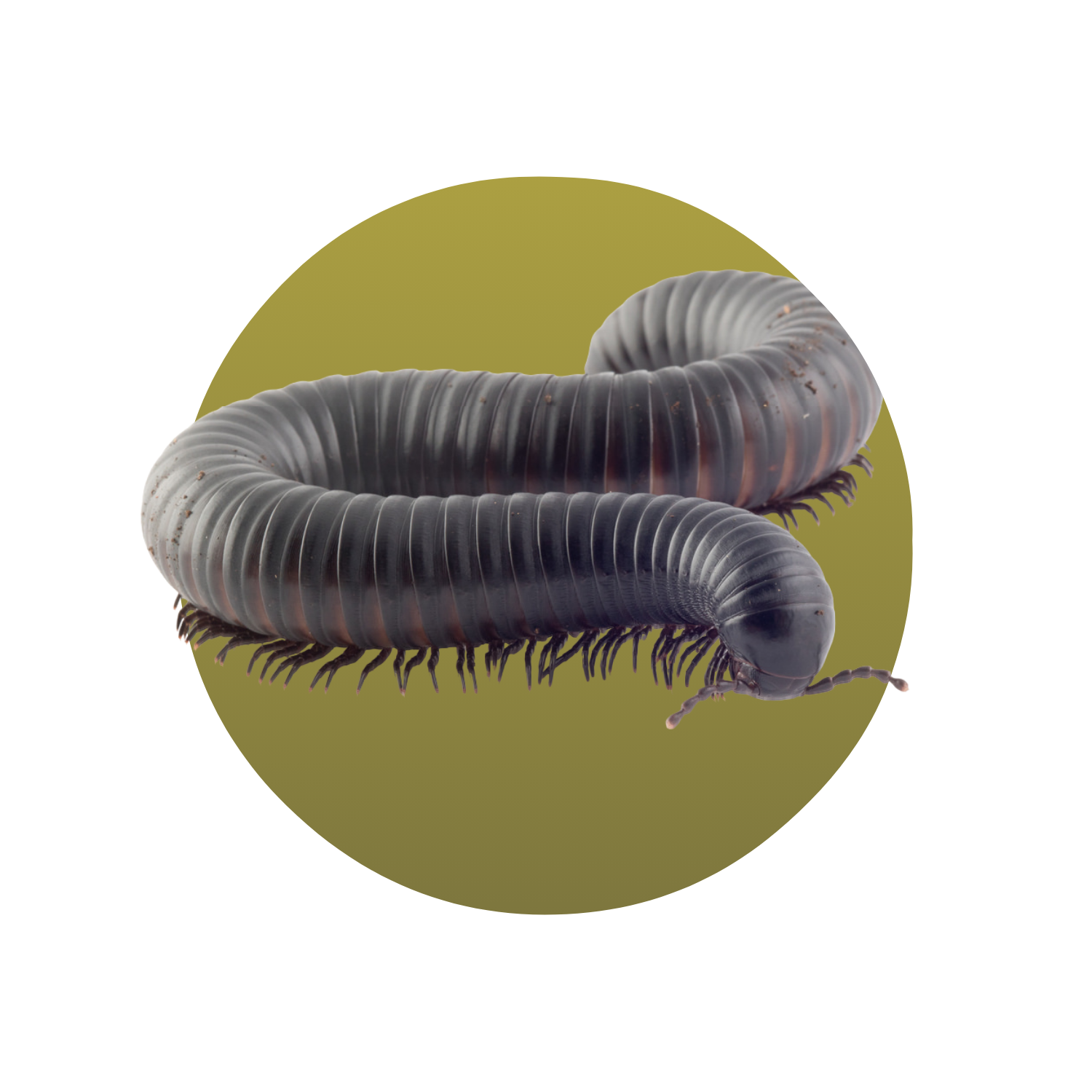
The Giant African Millipede is one of the largest millipede species in the world and a popular choice among invertebrate enthusiasts. Instantly recognisable by its long, segmented body and hundreds of tiny legs, this gentle giant is fascinating to observe as it slowly explores its surroundings.
Known for their calm nature and straightforward care requirements, Giant African Millipedes make excellent pets for both beginners and experienced keepers looking for a unique and low-maintenance invertebrate.
Housing & Enclosure Requirements
Giant African Millipedes thrive in warm, humid enclosures with deep substrate for burrowing.
Minimum enclosure size:
60 × 30 × 30 cm (24 × 12 × 12 inches)
Key enclosure elements:
- Deep substrate for burrowing
- Leaf litter and decaying wood
- Temperatures between 22–28°C
- Humidity maintained between 70–80%
- Good ventilation
- Moss and natural décor for enrichment
- Shallow water dish
The substrate should be deep enough to allow natural burrowing behaviours and should contain organic material that supports their diet and wellbeing.
Regular misting helps maintain suitable humidity levels.
Diet & Nutrition
Giant African Millipedes are detritivores, meaning they feed primarily on decaying organic matter.
Common food items include:
- Decaying leaves
- Rotting wood
- Leaf litter
- Cucumber
- Courgette
- Carrot
- Sweet potato
- Other fresh vegetables
A source of calcium, such as cuttlefish bone, should be provided to support healthy exoskeleton development.
Food should be removed before it spoils to maintain a clean enclosure.
Temperament & Handling
Giant African Millipedes are among the most gentle invertebrates available in the hobby.
They are:
- Calm and slow-moving
- Non-aggressive
- Easy to observe
- Suitable for careful handling
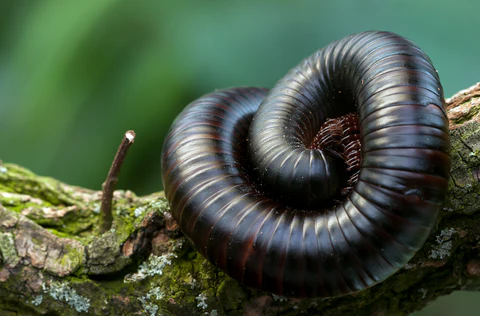
When disturbed, they may curl into a tight spiral as a natural defence mechanism.
Handling should always be gentle, and hands should be washed before and after contact. Like many millipedes, they can produce a mild defensive secretion which may irritate sensitive skin.
Appearance & Characteristics
The Giant African Millipede is an impressive and distinctive invertebrate.
Key features include:
- Long, cylindrical segmented body
- Hundreds of tiny legs
- Dark brown to black colouration
- Glossy exoskeleton
- Slow, rhythmic movement
Despite their name, millipedes do not actually have a thousand legs, although larger individuals can possess several hundred.
Their many legs move in a coordinated wave-like motion that is fascinating to watch.
Behaviour & Activity
Giant African Millipedes are primarily active during the evening and at night.
Natural behaviours include:
- Exploring their enclosure
- Burrowing beneath the substrate
- Feeding on decaying organic matter
- Climbing over logs and décor
A naturalistic enclosure with plenty of leaf litter and hiding places encourages these behaviours and helps them feel secure.
Is a Giant African Millipede Right for You?
Giant African Millipedes are an excellent choice for anyone interested in unusual, peaceful, and easy-to-care-for invertebrates.
Prospective keepers should be prepared to:
- Maintain a warm, humid enclosure
- Provide deep substrate and leaf litter
- Offer fresh vegetables and decaying plant material
- Handle carefully and respectfully
- Commit to several years of care
With their gentle temperament, unique appearance, and fascinating behaviours, Giant African Millipedes make rewarding pets that offer a wonderful introduction to the world of invertebrate keeping. Their calm nature and impressive size ensure they remain a favourite among enthusiasts of all ages.