Mossy Frog
Scientific Name: Theloderma corticale
Common Name: Mossy Frog (Vietnamese Mossy Frog)
Origin: Northern Vietnam and Southern China
Adult Size: 7–9 cm (3–3.5 inches)
Lifespan: 10–15 years
Temperament: Calm, shy, and primarily a display species
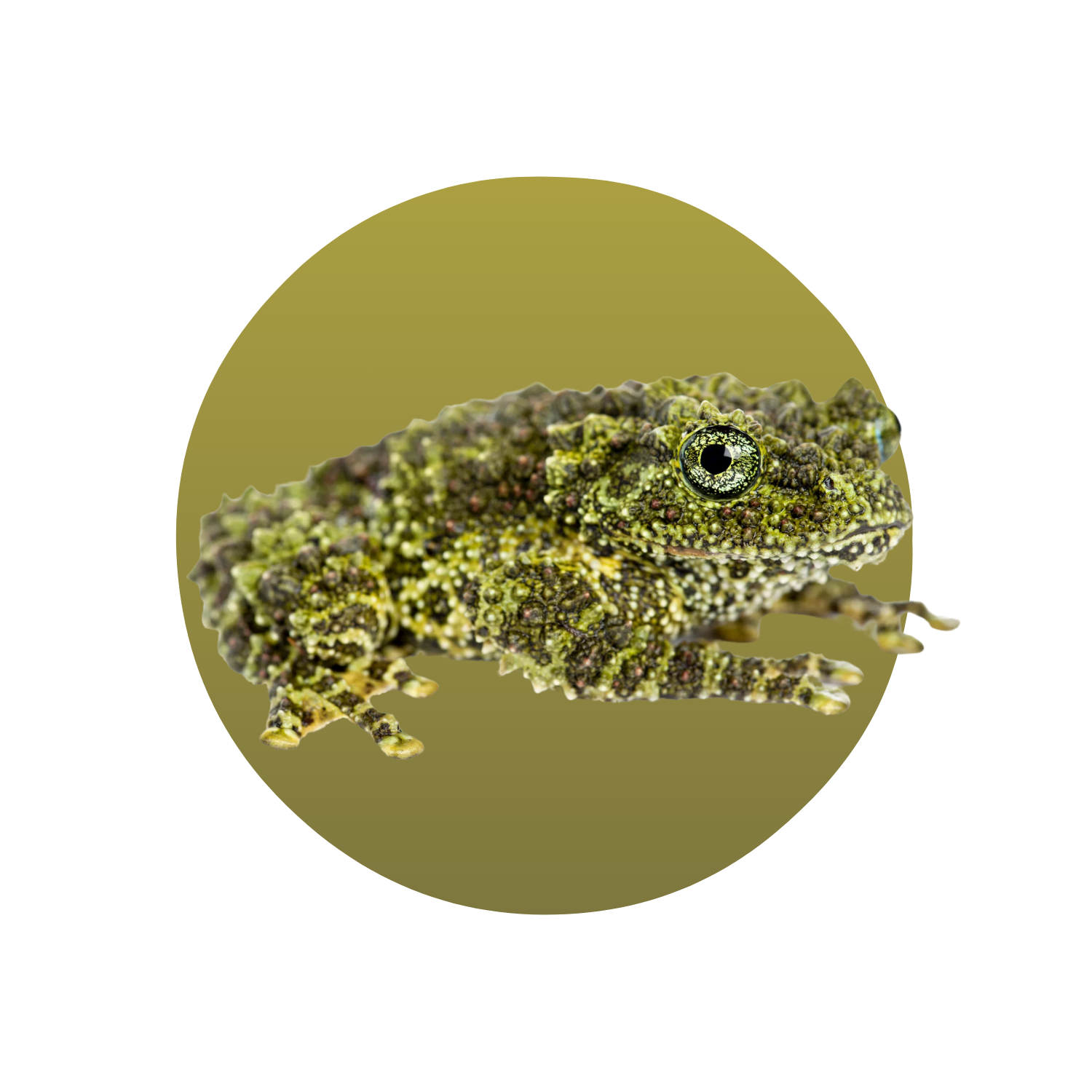
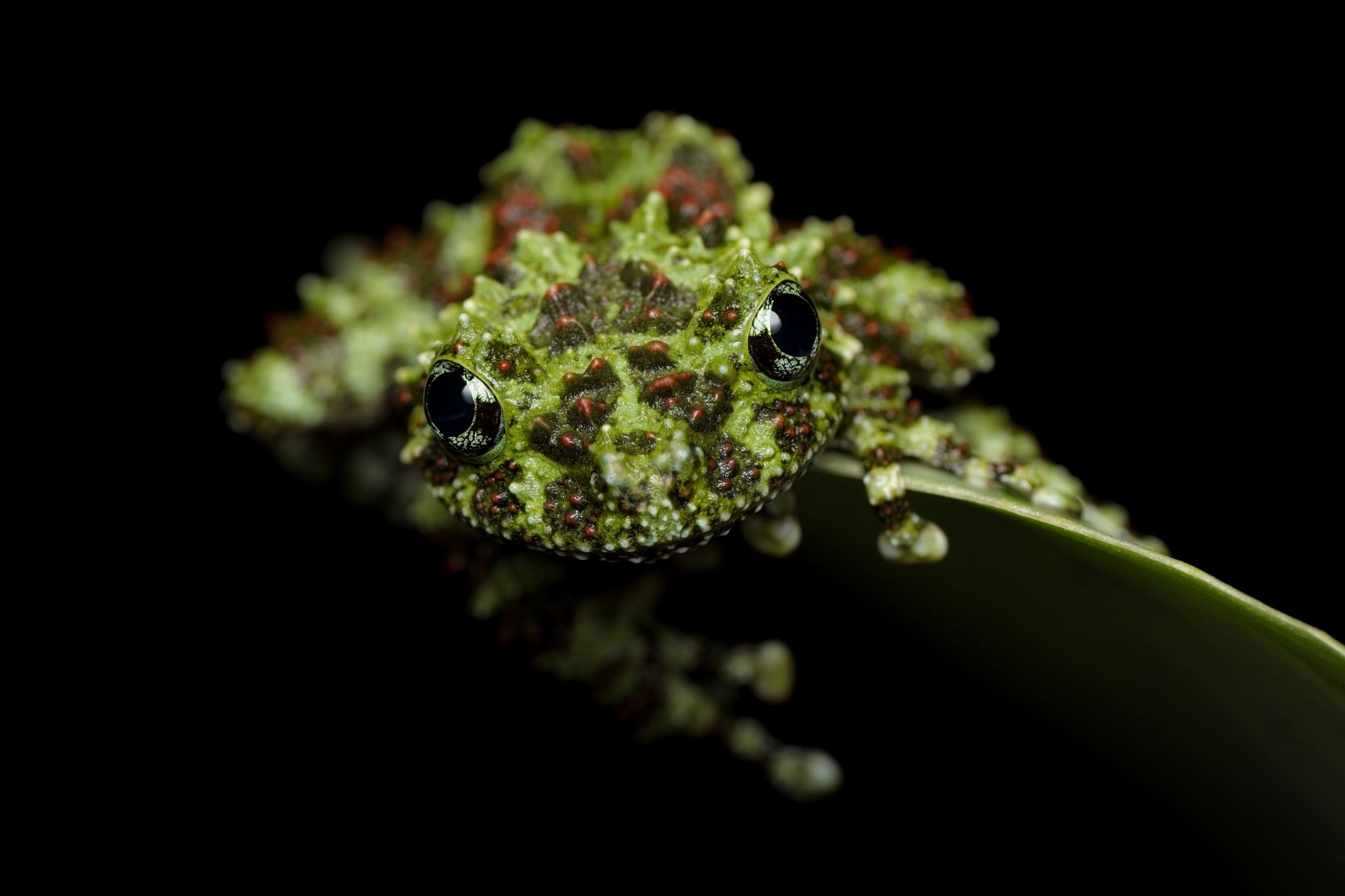
The Mossy Frog is one of the most extraordinary amphibians in the world, famous for its incredible camouflage. Its textured green and brown skin closely resembles moss-covered rock, allowing it to blend almost perfectly into its natural environment.
With their unique appearance, gentle nature, and fascinating behaviours, Mossy Frogs are a favourite among amphibian enthusiasts. These nocturnal frogs spend much of their time resting among plants, branches, and rocks, becoming more active after dark.
Housing & Enclosure Requirements
Mossy Frogs thrive in humid, naturalistic enclosures that replicate their rainforest habitat.
Minimum enclosure size (pair or small group):
60 × 45 × 60 cm (24 × 18 × 24 inches)
Key enclosure elements:
- Vertically oriented enclosure
- Plenty of live or artificial plants
- Cork bark, branches, and climbing structures
- Shallow water area or pond section
- Temperatures between 20–26°C
- Humidity maintained between 70–90%
- Good ventilation
- Regular misting
Bioactive setups work particularly well for Mossy Frogs, helping maintain humidity while creating a natural environment that encourages normal behaviours.
Diet & Nutrition
Mossy Frogs are insectivores and require a varied diet of live insects.
Common food items include:
- Crickets
- Locusts
- Roaches
- Waxworms (occasionally)
- Earthworms
- Other appropriately sized invertebrates
Food should be dusted regularly with calcium and vitamin supplements to support healthy growth and bone development.
Fresh, clean water should always be available.
Temperament & Handling
Mossy Frogs are peaceful amphibians that are best enjoyed as an observation species.
They are:
- Calm and non-aggressive
- Shy and secretive
- Primarily nocturnal
- Fascinating to watch in a naturalistic enclosure
Handling should be kept to a minimum, as amphibians have delicate, permeable skin that can be damaged by excessive contact.
Instead, they are best appreciated while displaying their natural climbing, hunting, and camouflage behaviours.
Appearance & Camouflage
The Mossy Frog's appearance is what makes it truly remarkable.
Key characteristics include:
- Textured skin resembling moss and lichen
- Shades of green, brown, and black
- Warty, uneven body surface
- Large eyes with excellent camouflage
- Compact, sturdy body shape
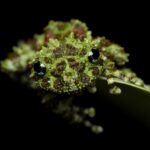
When resting among rocks, moss, or foliage, these frogs can be incredibly difficult to spot, even at close range.
This natural camouflage helps protect them from predators in the wild.
Behaviour & Activity
Mossy Frogs are most active during the evening and at night.
Natural behaviours include:
- Climbing on branches and plants
- Ambushing insect prey
- Hiding among foliage and décor
- Resting motionless to avoid detection
Their ability to remain perfectly still while blending into their surroundings makes them one of the most fascinating amphibians to observe.
Is a Mossy Frog Right for You?
Mossy Frogs are an excellent choice for amphibian keepers looking for a unique and visually stunning display animal.
Prospective keepers should be prepared to:
- Maintain high humidity levels
- Provide a naturalistic, well-planted enclosure
- Feed live insects regularly
- Minimise handling
- Commit to long-term care of 10 years or more
With their incredible camouflage, unusual appearance, and peaceful nature, Mossy Frogs are truly one of the most captivating amphibians in the hobby. They make a spectacular addition to any tropical amphibian collection and offer endless opportunities to observe one of nature's most impressive disguises.