Milk Snake
Scientific Name: Lampropeltis triangulum
Common Name: Milk Snake
Origin: North and Central America
Adult Size: 60–150 cm (2–5 feet), depending on subspecies
Lifespan: 15–20 years or more
Temperament: Active, curious, and generally easy to care for
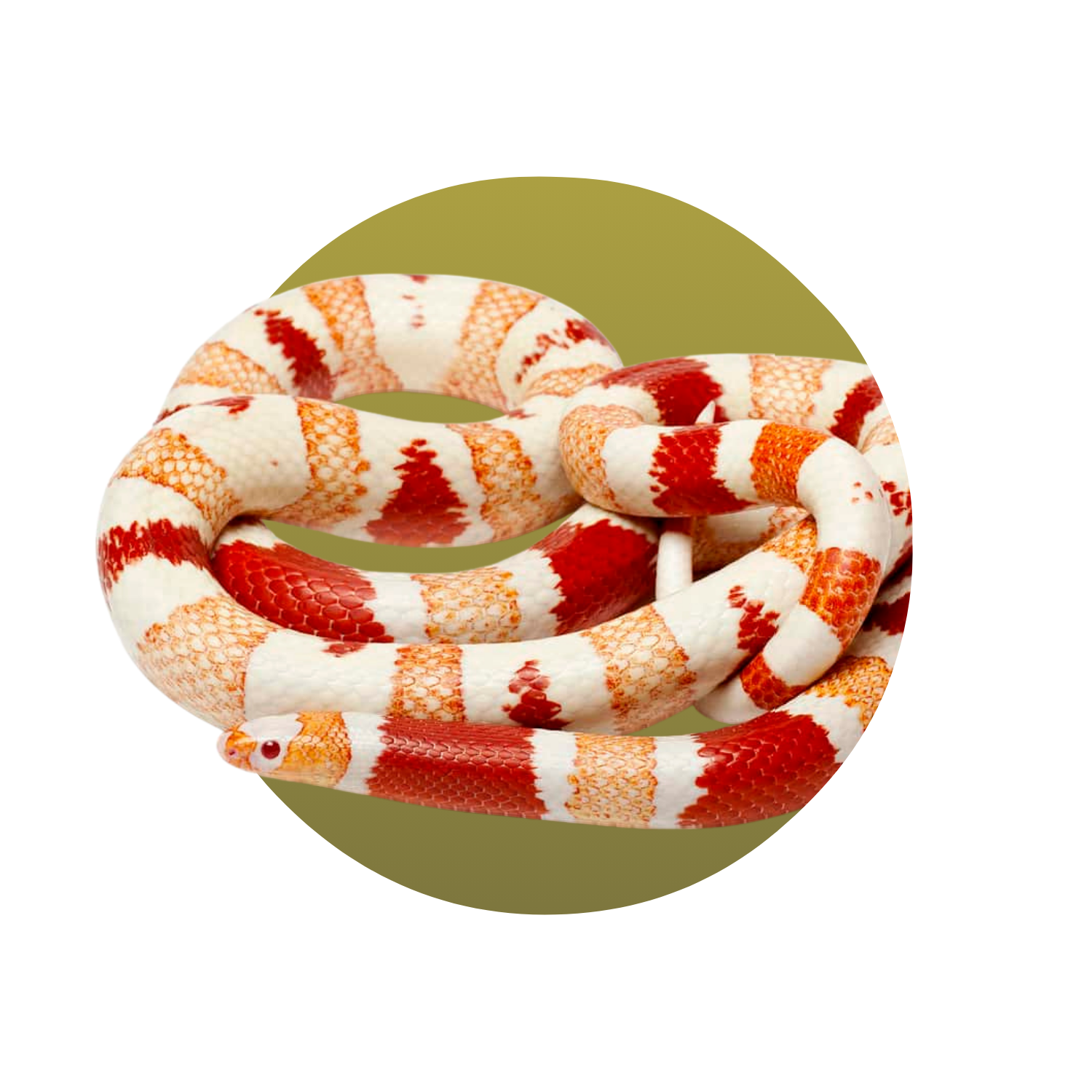
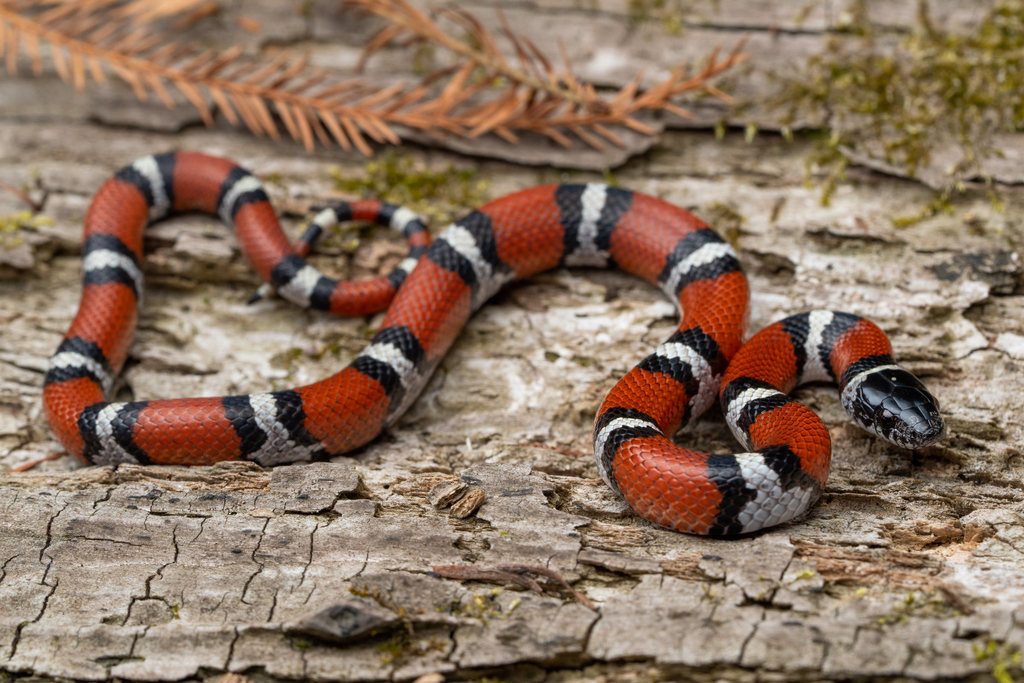
Milk Snakes are colourful, hardy snakes that make excellent pets for both beginner and experienced reptile keepers. Famous for their vibrant bands of red, black, and cream or yellow, these striking snakes are often admired for their beautiful appearance and active nature.
As members of the kingsnake family, Milk Snakes are resilient, adaptable, and rewarding reptiles that are fascinating to observe and relatively straightforward to care for.
Housing & Enclosure Requirements
Milk Snakes are terrestrial snakes that require a secure enclosure with areas to explore, hide, and regulate their body temperature.
Minimum enclosure size (adult):
90 × 45 × 45 cm (36 × 18 × 18 inches)
Larger subspecies may benefit from more space.
Key enclosure elements:
- Warm side temperature of 28–30°C
- Cool side temperature of 22–25°C
- Secure hides on both warm and cool sides
- Suitable snake-safe substrate
- Branches, logs, and décor for enrichment
- Large water bowl for drinking
- Thermostatically controlled heat source
Milk Snakes are naturally inquisitive and enjoy exploring their surroundings, so providing environmental enrichment can help encourage natural behaviours.
As excellent escape artists, they require a well-secured enclosure at all times.
Diet & Nutrition
Milk Snakes are carnivores and thrive on a diet of appropriately sized rodents.
Typical food items include:
- Mice
- Small rats (for larger adults)
Feeding frequency generally varies with age:
- Juveniles are usually fed every 5–7 days
- Adults are typically fed every 7–14 days
Prey should be appropriately sized for the snake and sourced from reputable suppliers.
Fresh water should always be available.
Temperament & Handling
Milk Snakes are generally easy to handle and often become confident with regular interaction.
They are:
- Curious and active
- Generally tolerant of handling
- Alert and inquisitive
- More active than many other pet snake species
Young Milk Snakes can sometimes be a little nervous or quick-moving, but they usually settle with consistent, gentle handling.
When handling, always support the snake's body and avoid sudden movements that may cause stress.
Shedding & General Care
Healthy Milk Snakes shed their skin regularly as they grow.
Signs of an upcoming shed include:
- Duller skin colour
- Cloudy or blue eyes
- Reduced appetite
- Increased hiding behaviour
Maintaining proper humidity and access to fresh water helps support successful shedding.
A healthy shed should normally come off in one complete piece.
Appearance & Colouration
Milk Snakes are well known for their striking colour patterns, which can vary significantly between subspecies.
Common features include:
- Bright red, orange, black, white, or yellow bands
- Smooth, glossy scales
- Slender body shape
- Distinctive contrasting markings
Many captive-bred morphs are also available, offering a wide range of colours and patterns beyond those seen in the wild.
Is a Milk Snake Right for You?
Milk Snakes are a fantastic choice for anyone looking for an active, colourful, and manageable pet snake.
Prospective keepers should be prepared to:
- Provide a secure, heated enclosure
- Feed appropriately sized rodents regularly
- Maintain suitable temperatures and humidity
- Handle gently and consistently
- Commit to long-term care of 15–20 years or more
With their vibrant colours, curious personalities, and hardy nature, Milk Snakes are engaging reptiles that can make rewarding pets for keepers of all experience levels.