Do Bioactive Vivariums Really Need Less Cleaning?
If you're considering a bioactive vivarium, you've probably heard claims that they are "self-cleaning" or require very little maintenance.
The short answer is yes, bioactive vivariums generally need less cleaning than traditional setups. However, they are not maintenance-free. You'll still need to spot clean, monitor the environment, care for plants, and ensure your reptile's enclosure remains healthy and safe.
The biggest misconception we encounter in-store is that a bioactive vivarium means you'll never have to clean again. Unfortunately, that's not the case.
What Is a Bioactive Vivarium?
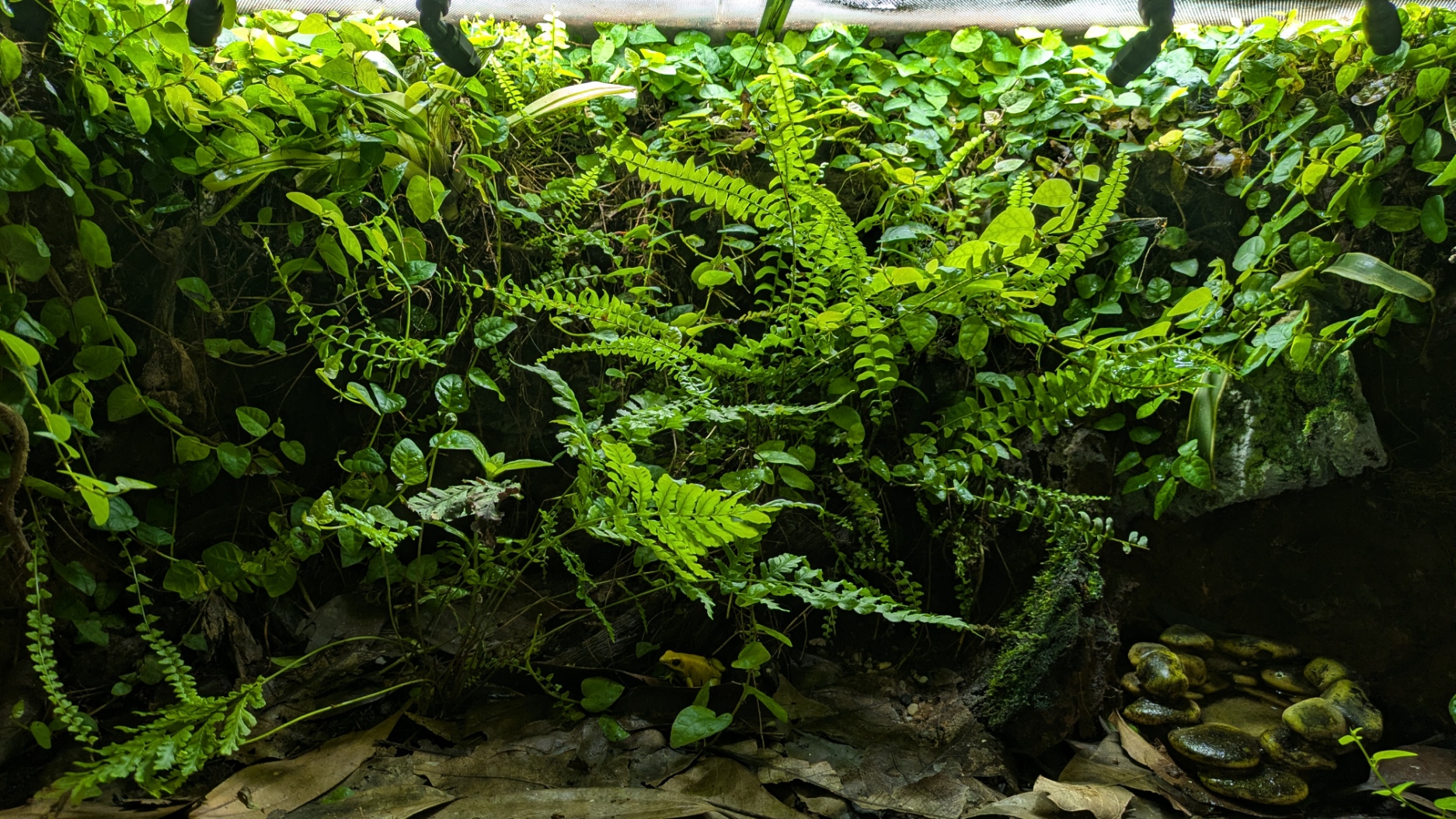
A bioactive vivarium is designed to mimic a natural ecosystem.
Rather than relying solely on the keeper to remove waste and maintain the enclosure, bioactive setups include living organisms that help break down organic matter.
A typical bioactive setup includes:
- Live plants
- Natural substrate layers
- Beneficial microorganisms
- Clean-up crews such as:
- Springtails
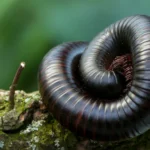
- Isopods
- Natural décor including cork bark, branches and rocks
Together, these elements create a miniature ecosystem that helps recycle waste and maintain substrate health.
How Does Cleaning Differ Between Bioactive and Traditional Vivariums?
The biggest difference is that in a bioactive setup, some waste is naturally broken down rather than being manually removed.
However, not all waste disappears.
Traditional Vivarium
Regular maintenance typically includes:
- Daily spot cleaning
- Frequent substrate replacement
- Regular disinfecting
- Deep cleans every few weeks or months depending on species
Bioactive Vivarium
Maintenance usually involves:
- Daily checks
- Spot cleaning larger waste
- Plant maintenance
- Monitoring clean-up crews
- Occasional substrate top-ups
- Less frequent deep cleans
The amount of work changes rather than disappears.
Which Setup Requires Less Maintenance?
For most keepers, an established bioactive vivarium requires less routine cleaning than a traditional setup.
Comparison Table
| Task | Traditional Vivarium | Bioactive Vivarium |
|---|---|---|
| Daily spot cleaning | Yes | Yes |
| Full substrate replacement | Regularly | Rarely |
| Plant care | No | Yes |
| Monitor clean-up crew | No | Yes |
| Deep cleans | More frequent | Less frequent |
| Waste removal | Entirely manual | Partly assisted |
The key point is that bioactive vivariums exchange some cleaning tasks for ecosystem management.
Are Bioactive Vivariums Better for Beginners?
The honest answer is: not always.
Many online guides present bioactive setups as the ultimate solution for every reptile keeper.
In reality, they can be more complicated to establish than traditional enclosures.
Advantages for beginners
- Natural appearance
- Reduced substrate changes
- Environmental enrichment
- Opportunity to learn about natural ecosystems
Potential challenges
- Higher initial setup cost
- More planning required
- Plant care knowledge needed
- Monitoring humidity and drainage
- Managing clean-up crews
For some beginners, a simple, well-maintained traditional setup is easier to manage and troubleshoot.
Does a Bioactive Vivarium Clean Reptile Waste Automatically?
Not completely. This is where many first-time keepers become disappointed.
Springtails and isopods help break down waste products, shed skin, decaying leaves and leftover food. They contribute significantly to the health of the enclosure.
However, larger faeces and urates often still need removing, particularly for larger reptiles.
You should still remove:
- Large droppings
- Excess food
- Dead insects
- Mould outbreaks
- Significant urate deposits
Allowing waste to accumulate simply because the enclosure is bioactive can create health problems.
Do Bioactive Vivariums Benefit Reptile Welfare?
When designed correctly, they often can.
Many reptiles benefit from environments that encourage natural behaviours.
Potential welfare benefits include:
- More opportunities for exploration
- Increased environmental enrichment
- Natural digging opportunities
- Additional cover and security
- More varied textures and surfaces
However, welfare depends on proper husbandry, not simply whether an enclosure is bioactive.
A poorly maintained bioactive enclosure can be less suitable than a well-managed traditional one.
What Problems Can Occur in a Bioactive Vivarium?
Like any enclosure, bioactive systems can develop problems if they are not managed correctly.
Common issues we see in-store include:
Mould outbreaks
Small amounts of mould are common in new bioactive setups. Persistent mould may indicate:
- Excess moisture
- Poor ventilation
- Too much organic waste
Dying plants
Plants can struggle due to:
- Incorrect lighting
- Unsuitable species
- Poor drainage
- Reptile damage
Clean-up crew population crashes
Springtails and isopods need suitable conditions to thrive. If populations decline, waste processing becomes less effective.
Waterlogged substrate
Poor drainage can lead to:
- Root rot
- Unpleasant odours
- Increased bacterial growth
A proper drainage layer is essential for many bioactive systems.
Do All Reptiles Suit Bioactive Vivariums?
No.
Some species adapt extremely well to bioactive environments.
Others can be more challenging.
Species commonly kept in bioactive setups include:
- Crested geckos
- Gargoyle geckos
- Mourning geckos
- Day geckos
- Corn snakes
- Royal pythons
- Many tropical species
Arid species can also be kept bioactively, but creating a stable ecosystem is often more complex.
Research your species before deciding.
Will a Bioactive Vivarium Save Money?
Over time, potentially. You may spend less on:
- Replacement substrate
- Cleaning products
- Decorative replacements
However, bioactive setups usually cost more initially. Common setup costs include:
- Plants
- Drainage materials
- Specialist substrate
- Springtails
- Isopods
- Lighting upgrades
Most keepers choose bioactive setups because they enjoy the natural look and environmental benefits rather than purely for cost savings.
How Much Cleaning Should I Expect to Do?
A realistic expectation would be:
Daily
- Check your reptile
- Remove obvious waste
- Check temperatures and humidity
Weekly
- Inspect plants
- Monitor clean-up crews
- Remove excess organic matter
Monthly
- Assess substrate condition
- Prune plants if needed
- Check drainage areas
The workload is generally lower than a traditional setup once established, but it never reaches zero.
So, Do Bioactive Vivariums Really Need Less Cleaning?
Yes, most established bioactive vivariums require less intensive cleaning than traditional vivariums.
However, they are not self-cleaning and they are not maintenance-free.
Instead of regularly replacing substrate and deep cleaning, you're maintaining a small ecosystem. For many keepers, that is both more enjoyable and less labour-intensive. For others, especially beginners seeking simplicity, a traditional setup may still be the better option.
The best choice depends on your reptile, your experience level, and how much time you want to spend managing the enclosure.
Do I still need to remove reptile poo in a bioactive vivarium?
Yes. Larger droppings should still be removed as part of routine maintenance.
How often do bioactive vivariums need a full clean?
Many established bioactive setups rarely require complete strip-downs unless a problem develops.
Can I make an existing vivarium bioactive?
In many cases, yes. However, you'll usually need to redesign the substrate and add appropriate plants and clean-up crews.
Are bioactive vivariums more expensive?
Initially, yes. Setup costs are usually higher than traditional vivariums.
Are bioactive vivariums worth it?
For many keepers, yes. They offer a natural appearance and can reduce long-term cleaning, but they also require more planning and ecosystem management.