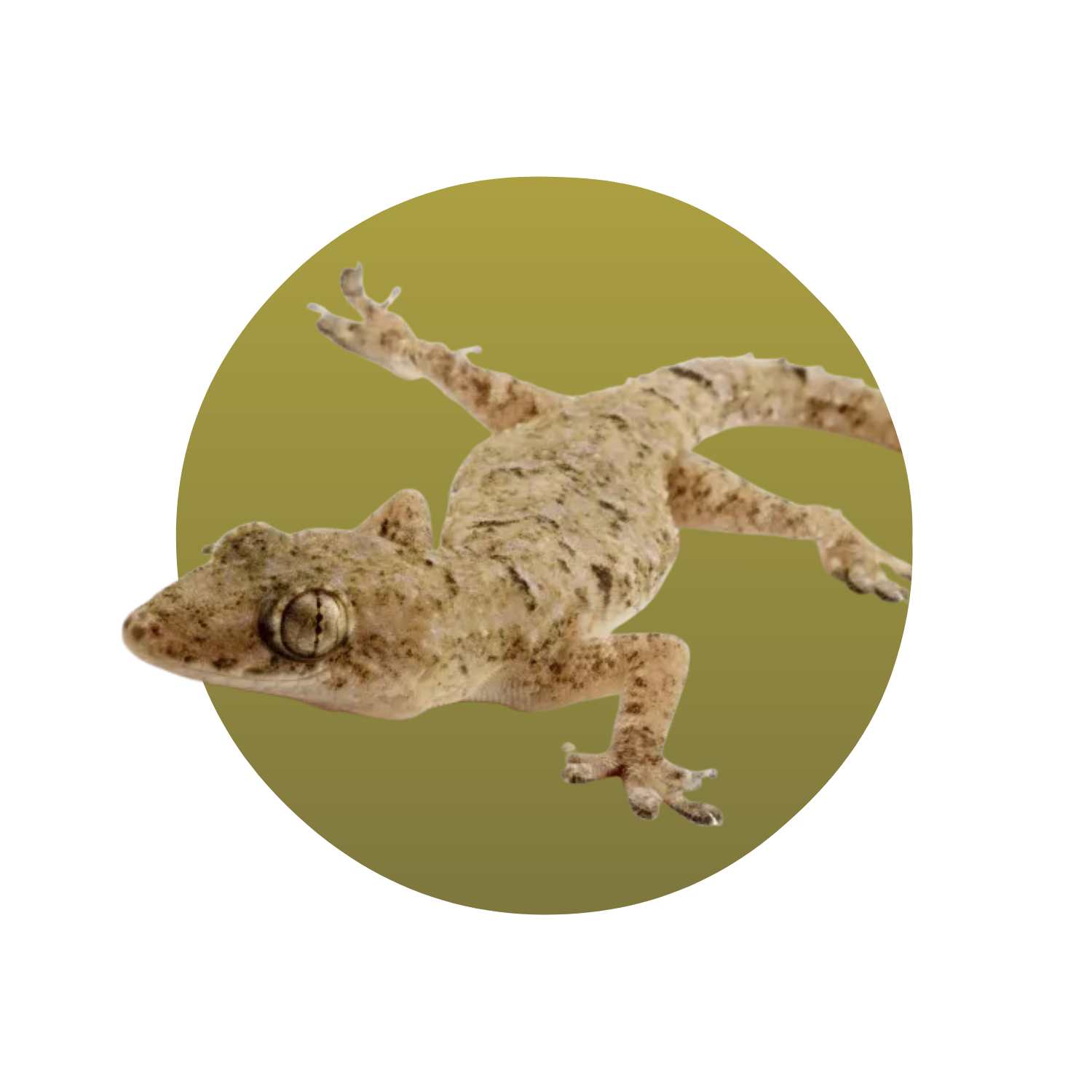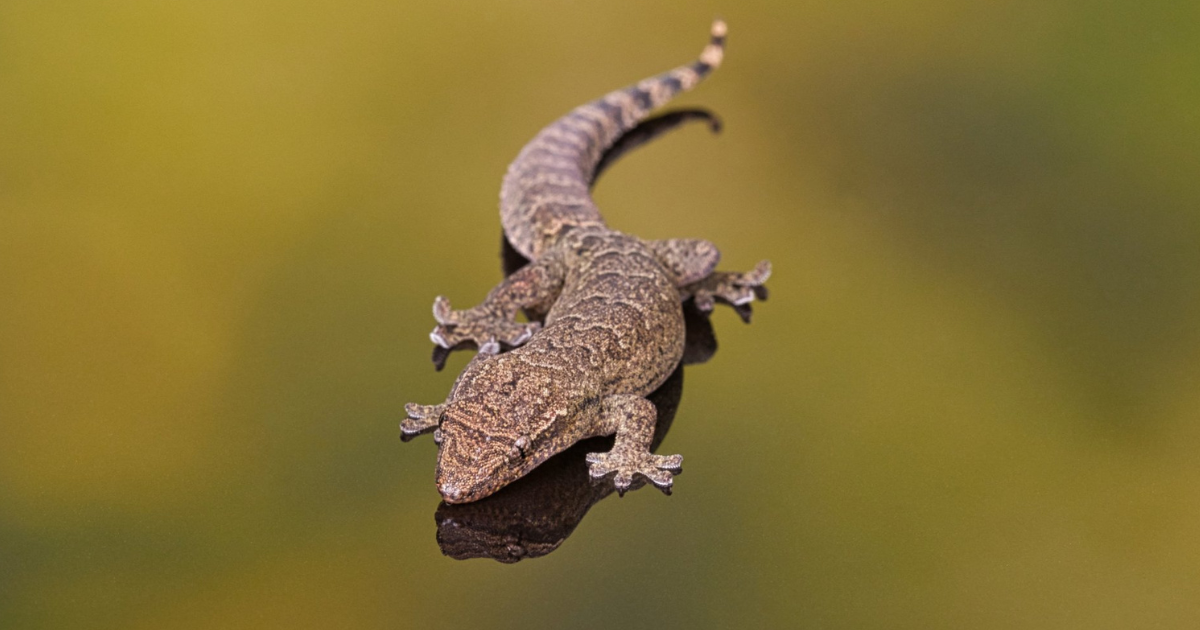
Mourning Gecko
Scientific Name: Lepidodactylus lugubris
Common Name: Mourning Gecko
Origin: Tropical regions of Southeast Asia, the Pacific Islands, and coastal areas around the Indian and Pacific Oceans
Adult Size: 8–10 cm (3–4 inches)
Lifespan: 8–10 years
Temperament: Active, social, and fascinating to observe
Mourning Geckos are tiny tropical geckos known for their unique ability to reproduce without males. These small but energetic reptiles are constantly exploring their surroundings and are highly entertaining to watch. Their social nature and suitability for planted bioactive enclosures have made them increasingly popular among reptile enthusiasts.
Housing & Enclosure Requirements
Mourning Geckos thrive in a secure, vertically oriented tropical enclosure that provides plenty of climbing opportunities.
Minimum enclosure size (small colony):
45 × 45 × 60 cm (18 × 18 × 24 inches)
Key enclosure elements:
- Vertical climbing branches and cork bark
- Live or artificial plants for cover
- Warm basking area around 26–28°C
- Cooler areas around 22–25°C
- Humidity maintained between 60–80%
- Daily misting to provide drinking water
- Secure mesh ventilation
Due to their tiny size and incredible agility, enclosures must be escape-proof with no gaps.
Bioactive setups work particularly well for Mourning Geckos, providing natural enrichment and helping maintain humidity levels.
Diet & Nutrition
Mourning Geckos are omnivores and require a varied diet.
Common food sources include:
- Commercial gecko diet powders
- Fruit-based gecko foods
- Fruit flies
- Small crickets
- Pinhead insects
- Occasional soft fruits
Food should be supplemented regularly with calcium and vitamins to support healthy growth and egg production.
Fresh water should always be available, although many Mourning Geckos prefer drinking droplets from leaves after misting.
Temperament & Handling
Mourning Geckos are active and inquisitive but are generally considered a display species rather than a handling pet.
They are:
- Fast-moving and agile
- Social when kept in groups
- Highly active throughout the day and evening
- Known for making small chirping and clicking sounds
Because of their delicate size and speed, handling should be kept to a minimum. Instead, they are best enjoyed by observing their natural behaviours as they climb, hunt, communicate, and explore their environment.
Unique Reproduction
One of the most fascinating features of Mourning Geckos is that they are parthenogenetic, meaning virtually all individuals are female and can reproduce without a male.
Females regularly lay small pairs of eggs, making them an interesting species for keepers who enjoy observing breeding and colony dynamics.
This unusual reproductive ability is one of the reasons Mourning Geckos have become so popular within the reptile hobby.
Is a Mourning Gecko Right for You?
Mourning Geckos are an excellent choice for reptile keepers looking for an active and unusual display species.
Prospective keepers should be prepared to:
- Maintain a warm, humid tropical enclosure
- Provide a varied diet of gecko food and small live insects
- Ensure the enclosure is completely escape-proof
- Keep humidity levels consistent
- Enjoy observing rather than handling their pets
With their unique reproductive abilities, vocal nature, and constant activity, Mourning Geckos are captivating little reptiles that bring plenty of life and character to any tropical setup.