Prickly Stick Insect
Scientific Name: Extatosoma tiaratum
Common Name: Prickly Stick Insect (Giant Prickly Stick Insect)
Origin: Australia and New Guinea
Adult Size: 10–15 cm (4–6 inches)
Lifespan: 12–18 months
Temperament: Gentle, calm, and easy to care for
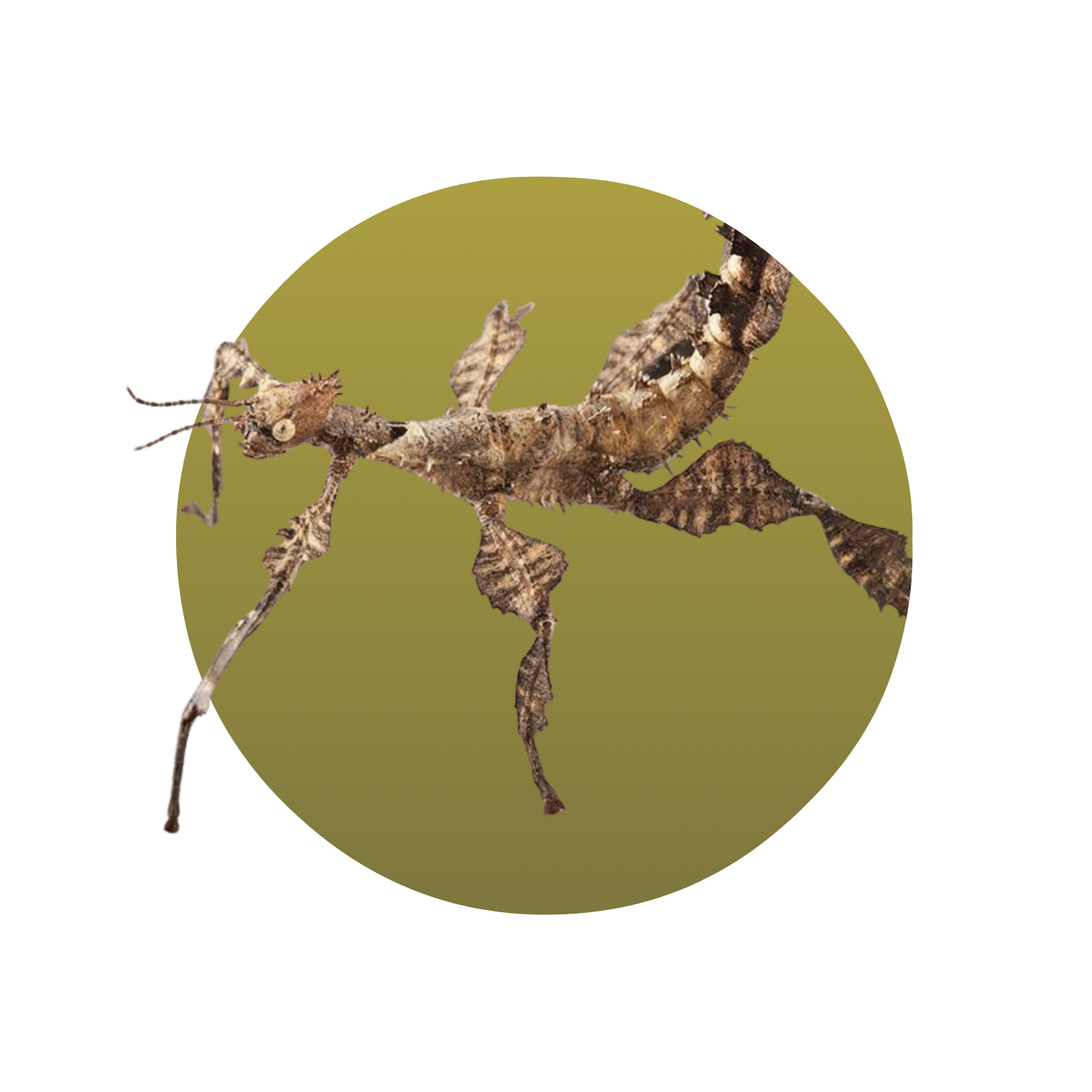
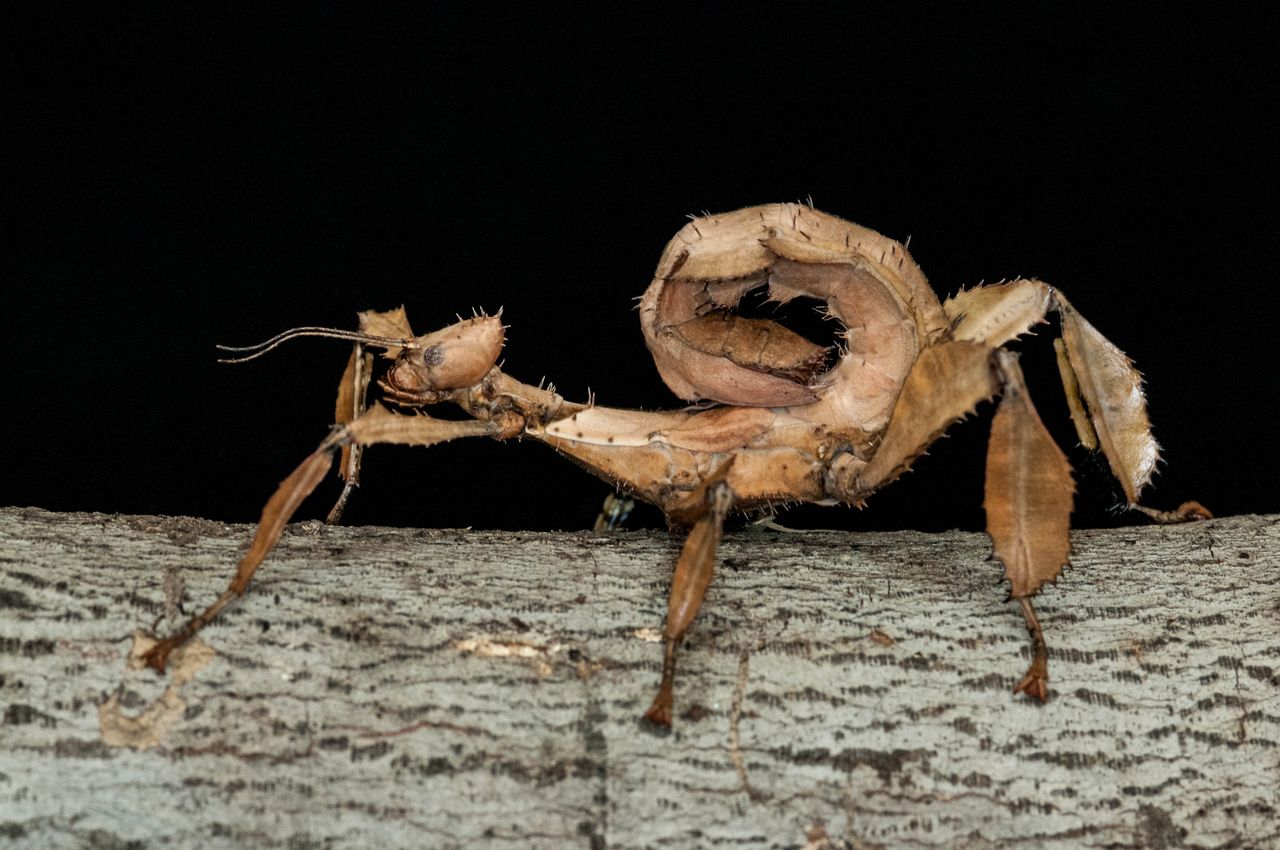
Prickly Stick Insects are fascinating invertebrates renowned for their incredible camouflage and unique appearance. Their twig-like bodies, leaf-shaped protrusions, and slow, swaying movements help them blend perfectly into their surroundings, making them one of nature's most impressive masters of disguise.
Easy to care for and captivating to observe, Prickly Stick Insects are ideal for both beginners and experienced keepers looking for an unusual and rewarding pet.
Housing & Enclosure Requirements
Prickly Stick Insects require a tall, well-ventilated enclosure with plenty of climbing opportunities.
Minimum enclosure size:
At least three times the insect's adult height in height and twice its length in width.
Key enclosure elements:
- Tall mesh or well-ventilated enclosure
- Fresh food plant cuttings placed in water containers
- Branches for climbing and moulting
- Temperatures between 20–26°C
- Moderate humidity levels
- Regular light misting
Height is particularly important, as stick insects need sufficient space to hang upside down during moulting.
A secure enclosure is essential, especially for younger insects.
Diet & Nutrition
Prickly Stick Insects are herbivores and feed exclusively on leaves.
Common food plants include:
- Bramble (Blackberry)
- Raspberry
- Rose
- Oak
- Eucalyptus (where available)
Fresh leaves should be available at all times and replaced regularly to maintain quality.
Food plants should always be sourced from areas free from pesticides and harmful chemicals.
Temperament & Handling
Prickly Stick Insects are extremely gentle and harmless.
They are:
- Calm and slow-moving
- Non-aggressive
- Easy to observe
- Best handled carefully and infrequently
When disturbed, they may sway gently from side to side, mimicking leaves moving in the breeze to avoid detection by predators.
Handling should always be gentle, as their legs can be delicate.
Appearance & Camouflage
One of the most remarkable features of the Prickly Stick Insect is its extraordinary camouflage.
Key characteristics include:
- Twig-like body shape
- Leaf-like projections along the body and legs
- Shades of brown, green, and tan
- Spiny appearance that gives the species its common name
- Excellent natural camouflage
Females are typically larger and heavier than males, while males are often slimmer and possess longer wings.
Life Cycle & Development
Like other stick insects, Prickly Stick Insects grow through a series of moults.
During their life cycle they will:
- Hatch from eggs
- Pass through several juvenile stages (nymphs)
- Moult multiple times as they grow
- Reach adulthood within several months
Freshly hatched nymphs often resemble ants, providing additional protection from predators during their earliest stages of life.
Is a Prickly Stick Insect Right for You?
Prickly Stick Insects are an excellent choice for anyone interested in unusual invertebrates and natural behaviours.
Prospective keepers should be prepared to:
- Provide fresh food plants year-round
- Maintain a clean, well-ventilated enclosure
- Ensure adequate space for moulting
- Handle carefully and only when necessary
- Observe and appreciate their fascinating camouflage and behaviour
With their remarkable appearance, peaceful nature, and straightforward care requirements, Prickly Stick Insects make unique and captivating pets that offer a fascinating glimpse into one of nature's most effective forms of camouflage.