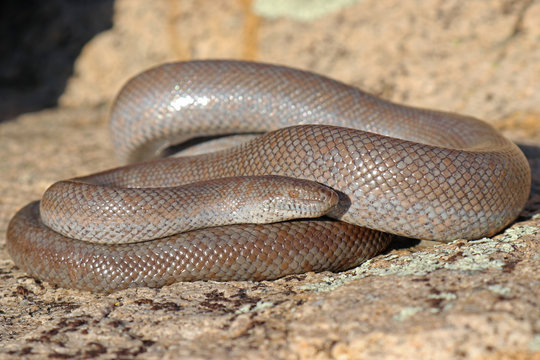
Rosy Boa
Scientific Name: Lichanura trivirgata
Common Name: Rosy Boa
Origin: Southwestern United States and Northwestern Mexico
Adult Size: 60–120 cm (2–4 feet)
Lifespan: 20–30 years or more
Temperament: Calm, docile, and easy to handle
Rosy Boas are small, gentle snakes that are highly regarded for their relaxed nature and manageable size. Their attractive striped patterns, slow-moving behaviour, and hardy disposition make them a popular choice for both first-time snake keepers and experienced reptile enthusiasts.
Known for their calm temperament, Rosy Boas are often considered one of the easiest pet snakes to handle. They are primarily active during the evening and night, spending much of their time exploring, burrowing, and resting within their enclosure.
Housing & Enclosure Requirements
Rosy Boas require a secure terrestrial enclosure that provides suitable heating, hiding places, and opportunities to burrow.
Minimum enclosure size (adult):
90 × 45 × 45 cm (36 × 18 × 18 inches)
Key enclosure elements:
- Warm side temperature of 30–32°C
- Cool side temperature of 22–26°C
- Secure hides on both warm and cool sides
- Dry, suitable substrate for burrowing
- Branches, rocks, and décor for enrichment
- Fresh water bowl
- Thermostatically controlled heat source
Rosy Boas originate from arid environments and prefer lower humidity levels than many other commonly kept snakes. Good ventilation is important to help maintain a healthy enclosure environment.
As with all snakes, the enclosure should be secure to prevent escapes.
Diet & Nutrition
Rosy Boas are carnivores and thrive on a diet of appropriately sized rodents.
Typical food items include:
- Mice
- Small rats for larger adults
Feeding frequency generally depends on age and size:
- Juveniles are usually fed every 5–7 days
- Adults are typically fed every 10–14 days
Prey should be appropriately sized and sourced from reputable suppliers.
Fresh drinking water should always be available.
Temperament & Handling
Rosy Boas are renowned for their gentle and easy-going nature.
They are:
- Calm and slow-moving
- Easy to handle
- Generally tolerant of regular interaction
- Less likely to become stressed than many other snake species
Their deliberate movements and relaxed personality make them particularly appealing to keepers who enjoy handling their reptiles.
As with all snakes, handling should be gentle and avoided for at least 48 hours after feeding.
Appearance & Colouration
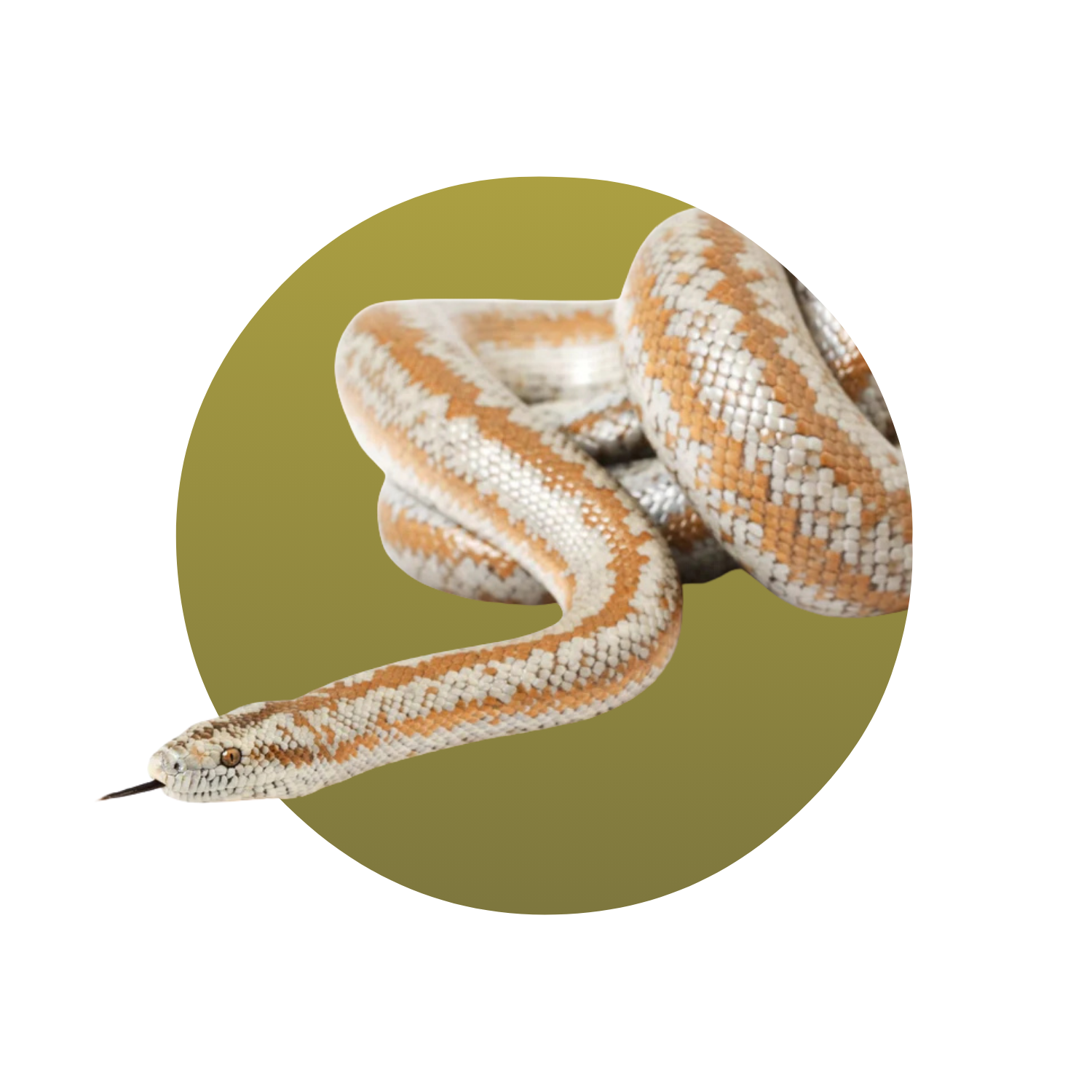
Rosy Boas are admired for their beautiful natural patterns and subtle colouring.
Common characteristics include:
- Three distinctive stripes running the length of the body
- Shades of pink, cream, orange, brown, grey, or tan
- Smooth, glossy scales
- Thick-bodied, compact appearance
Colouration can vary considerably depending on locality, with some specimens displaying particularly vibrant pink or orange tones.
Shedding & General Care
Rosy Boas shed their skin periodically as they grow.
Signs that a shed is approaching include:
- Duller skin colour
- Cloudy or blue eyes
- Increased hiding behaviour
- Temporary reduction in appetite
Providing fresh water and maintaining appropriate husbandry conditions will help support a successful shed.
Healthy Rosy Boas typically shed their skin in one complete piece.