What size enclosure does my reptile need?
The correct enclosure size depends on the species, but as a rule, your reptile should have enough space to fully stretch out, move naturally, and access a proper temperature gradient. Larger, well-structured enclosures almost always lead to healthier, more active animals.
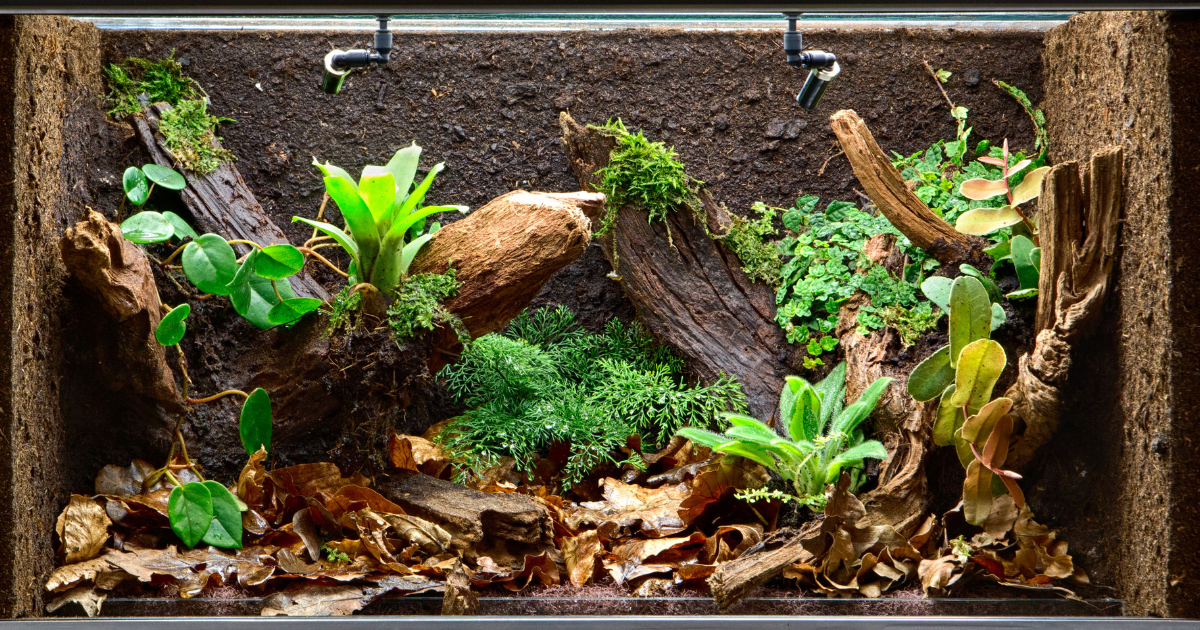
Why enclosure size matters
Enclosure size isn’t just about fitting the animal in - it’s about allowing natural behaviour.
Reptiles need space to:
- Thermoregulate (move between warm and cool areas)
- Explore and exercise
- Hide and feel secure
- Climb, dig, or perch depending on species
A small or empty enclosure limits behaviour and over time, that affects health.
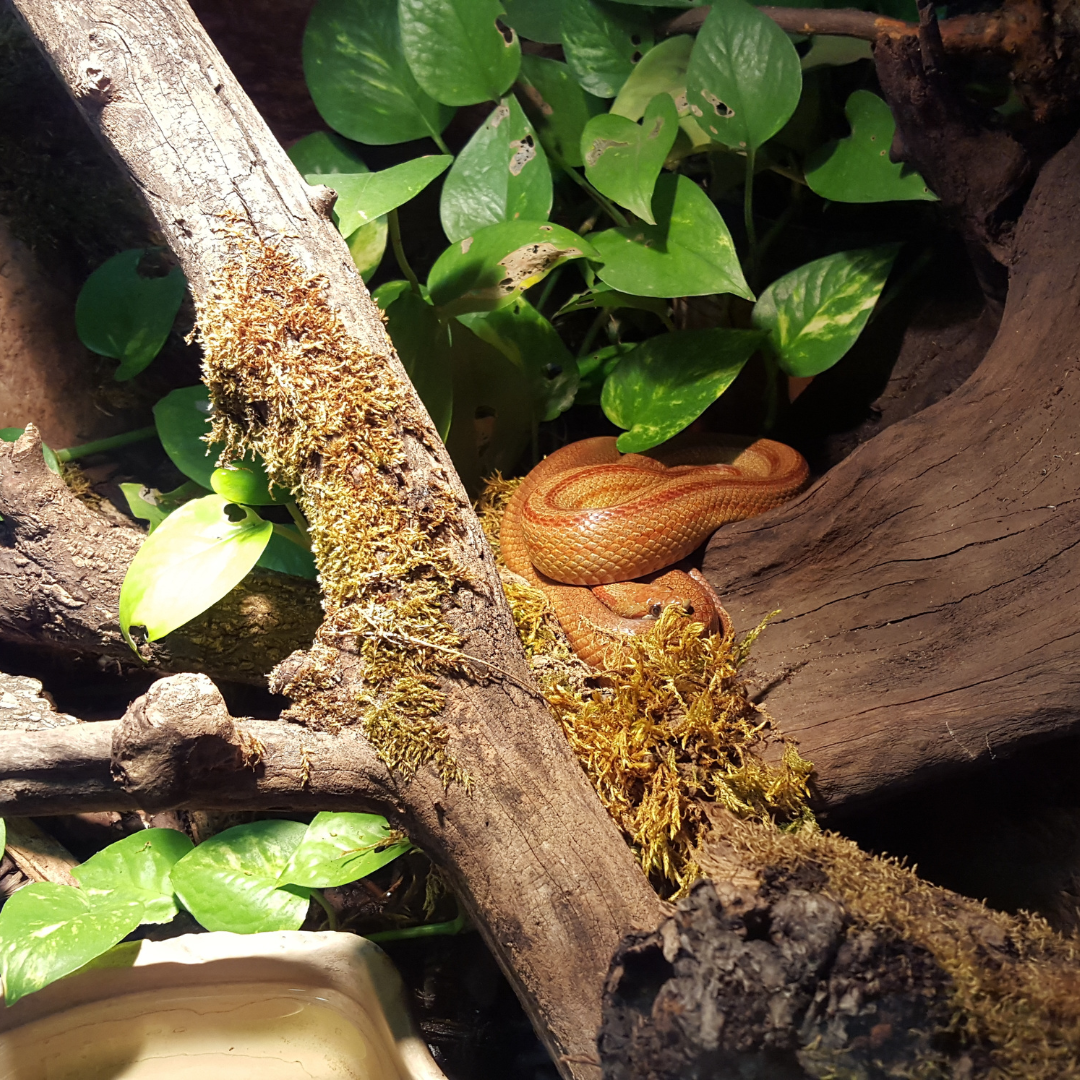
Why minimum standards aren’t enough
Minimum standards are just that, minimum. They are designed to:
- Keep animals safe
- Maintain basic welfare
- Work within a shop environment
They are not a target for long-term care
What should you aim for instead?
A better way to judge enclosure size is to ask:
- Can the reptile fully stretch out?
- Is there space for a proper heat gradient?
- Are there multiple hides and usable areas?
- Can the animal move and behave naturally?
The goal is not just space, it’s usable space
Bigger is better - if set up properly.
Large but empty = stressful
Large and well-designed = ideal
The three things that define a good enclosure
Instead of focusing on measurements alone, focus on these:
Space (size of the enclosure)
- Large enough for full body extension
- Room for movement and exploration
- Appropriate to adult size (not just current size)
Structure (what’s inside it). Structure includes:
- Hides
- Branches
- Cork bark
- Plants
- Substrate depth
A large enclosure can fail if it’s empty
Layout (how it works) - a good enclosure allows:
- A warm side and a cool side
- Clear hiding areas
- Different zones for different behaviours
Choosing the right enclosure shape
Different reptiles use space differently:
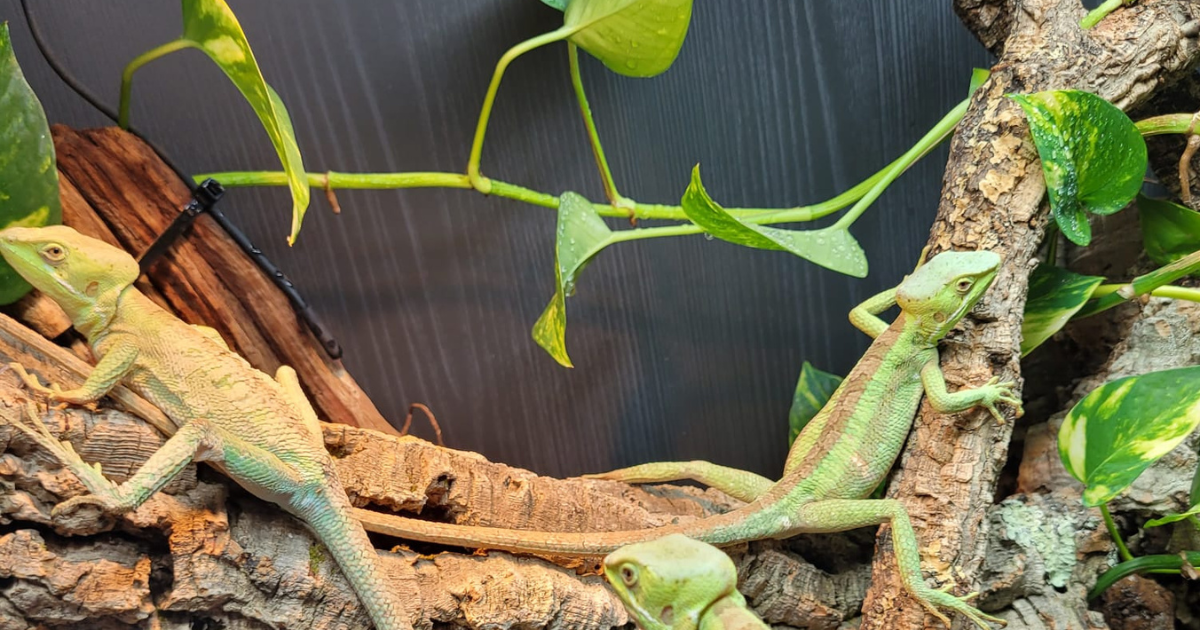
Arboreal species (tree-dwelling)
- Height is critical- tall enclosures
- Vertical climbing structures
- Dense planting
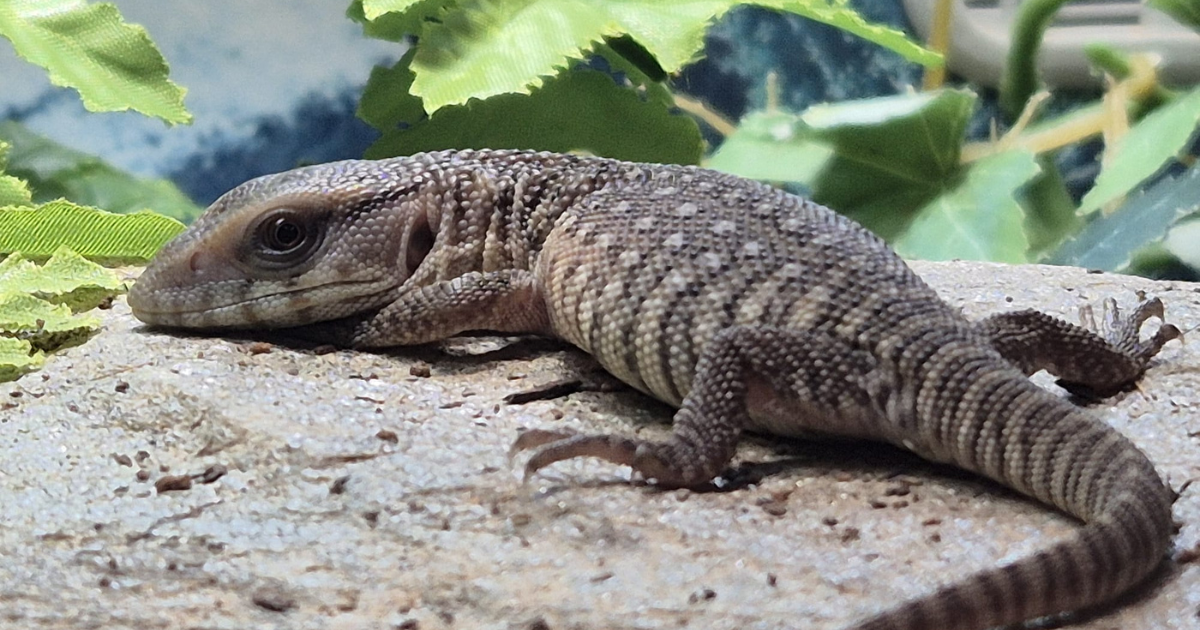
Terrestrial species (ground-dwelling)
- Floor space matters most
- Room to move and stretch
- Multiple hides
- Enrichment across the ground
Fossorial species (burrowers)
- Depth is essential
- Deep substrate
- Secure, covered spaces
- Less reliance on height
Common enclosure mistakes
Enclosures too small
- No heat gradient
- Too few hides
- Lack of structure
- Not upgrading as the animal grows
Most problems come back to enclosure design. A simple way to think about it;
Space → Structure → Layout → Heat → Security
What is the legal minimum enclosure size in the UK?
There is no single fixed size for all reptiles. The law requires enclosures to be appropriate for the species and allow natural behaviour, with additional guidance used by local authorities.
Why are pet shop enclosures sometimes smaller?
They are designed for short-term housing. Long-term care at home should exceed these minimum standards.
Can an enclosure be too big?
Not usually, but it can be too empty. Large enclosures must include structure and hiding areas.
Should I upgrade my enclosure as my reptile grows?
Yes, this is essential for proper welfare and long-term health.
What is the best rule for enclosure size?
Your reptile should be able to fully stretch out, move freely, and additionally access a proper temperature gradient.
What does “structure” mean in an enclosure?
Structure refers to everything inside the enclosure that the reptile can use, such as hides, branches, plants, and substrate. Without it, even a large enclosure can feel exposed and stressful.